 English
 Russian
 Español
 Français
 Deutsch
 हिन्दी
 සිංහල
සිංහල 中文
中文 日本語
日本語
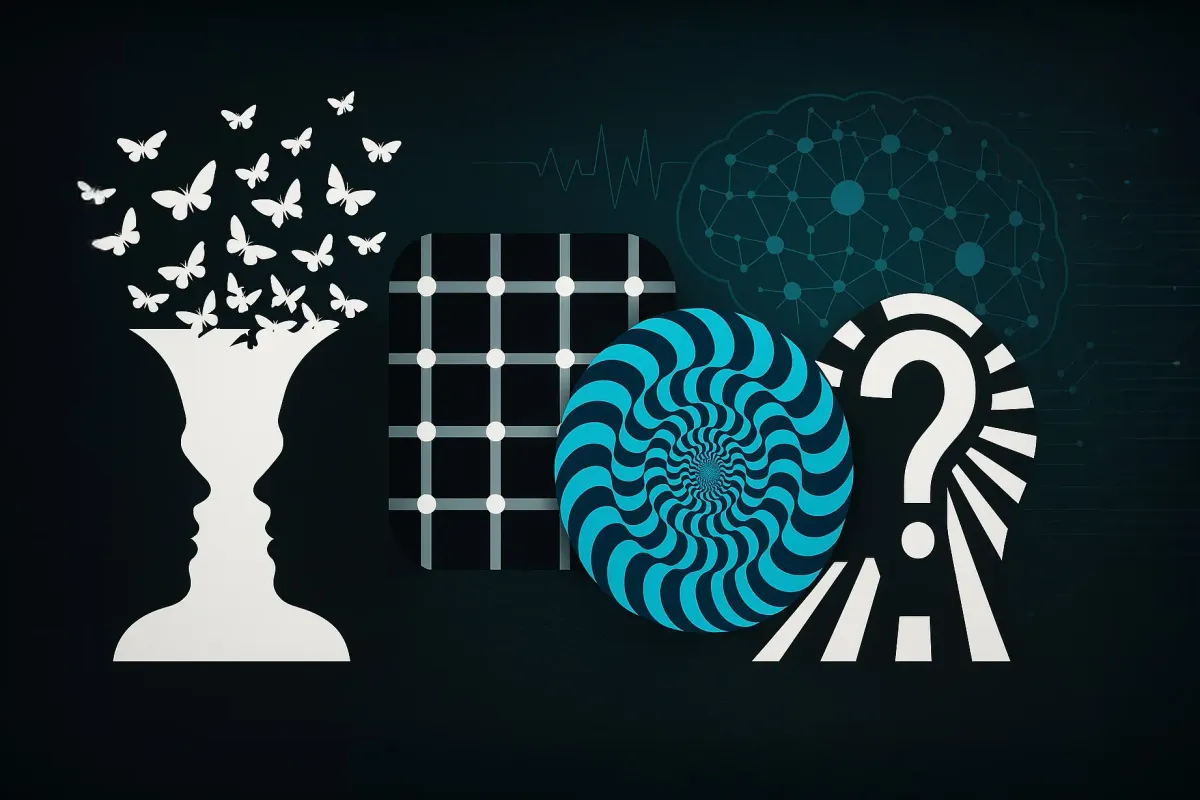
Have you ever looked at a picture that seemed to be moving, or seen two colors that looked different, only to be told they were the same? If so, you’ve experienced an optical illusion. These fascinating images are more than just "tricks of the eye"—they are powerful demonstrations of the complex and incredible partnership between your eyes and your brain.
An optical illusion is a visual experience that misleads or deceives your perception. It causes you to see something that isn't real, is different from how it appears, or is physically impossible.
In short, an optical illusion is what happens when what your eyes see and what your brain thinks it sees do not match.
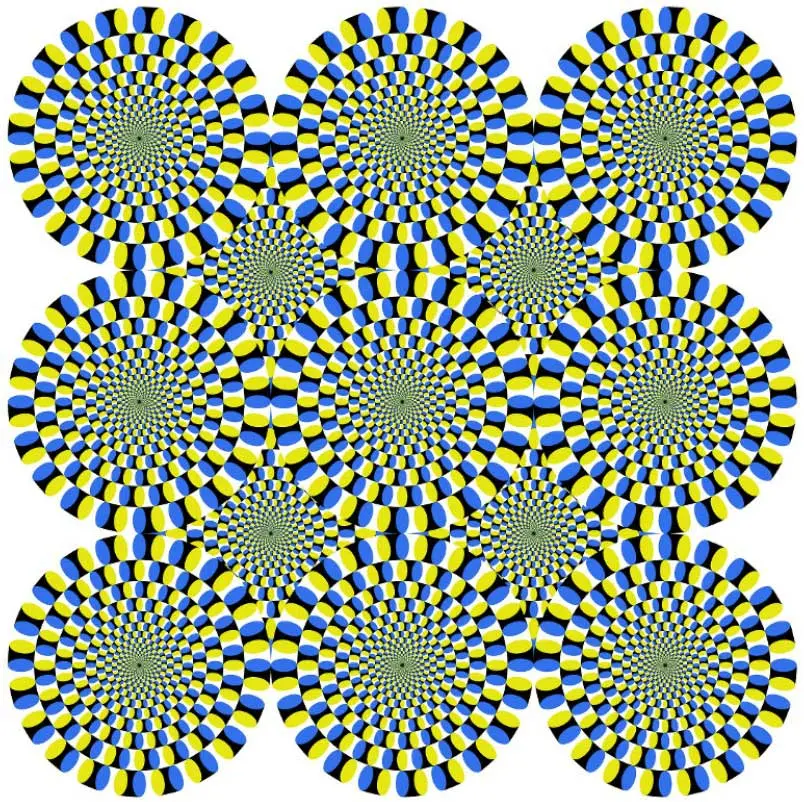
How Do Optical Illusions Actually Work?
The simplest explanation is that an optical illusion is the result of a conflict between your eyes and your brain. Your brain is a super-powerful processing machine that is constantly receiving billions of bits of data from your senses. To avoid being overwhelmed, it has learned to take shortcuts, make assumptions, and use past experiences to build a "model" of the world.Optical illusions work by exploiting these shortcuts.
Your Brain Fills in the Gaps: Your brain often makes assumptions to "complete" an image based on partial information. It will create lines and shapes that aren't actually there to make sense of a picture.
It Uses Context: How you perceive an object's size, color, or shade is heavily influenced by what's around it. An illusion can use surrounding patterns to make two identical items look completely different.
It Tries to See 3D: Your brain is used to seeing the world in three dimensions. When it looks at a 2D image, it still tries to apply 3D rules (like perspective and shadow), which can be manipulated to create impossible-looking objects.
When you see an illusion, you are essentially "catching" your brain in the act of making one of these automatic assumptions.
The 3 Main Types of Optical Illusions
Scientists generally categorize optical illusions into three main types based on how they work.
1. Literal Illusions
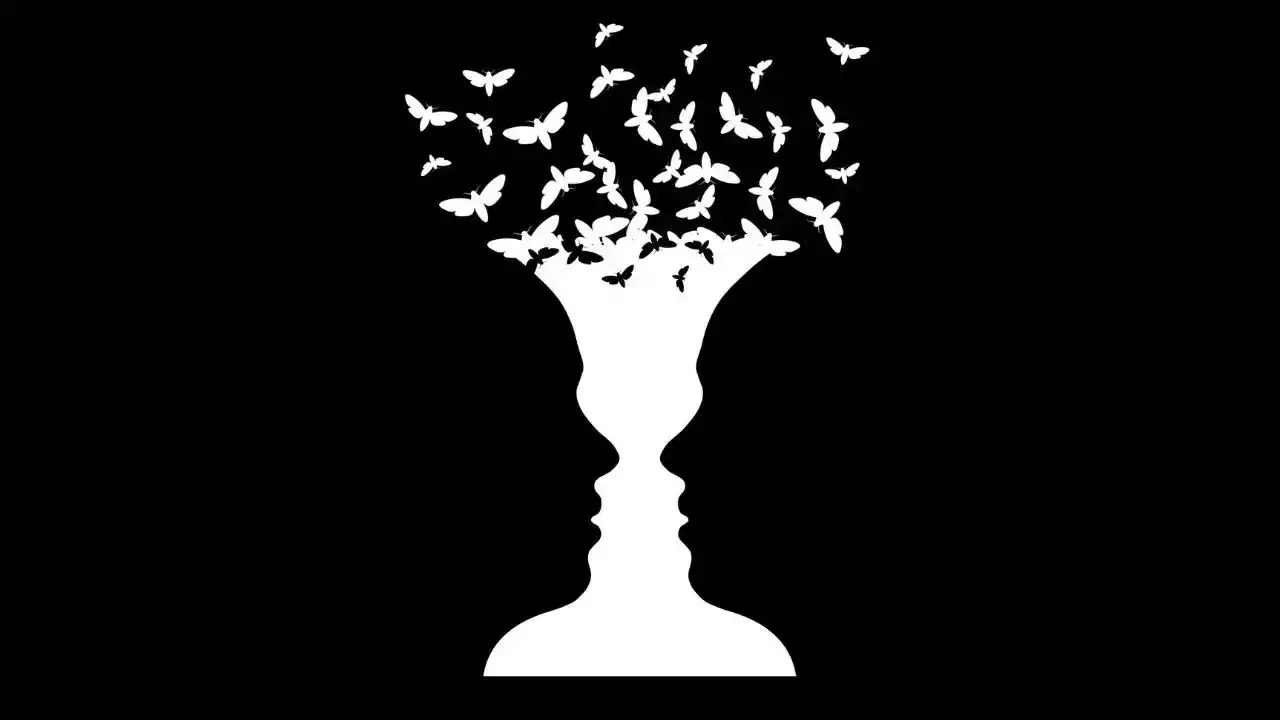
This is the simplest type of illusion. In a literal illusion, the image you see is different from the individual parts that make it up. Your brain "creates" a new object from several other images.
- Classic Example: The Rubin Vase: This is one of the most famous examples. The image is a simple black and white drawing. At first glance, you might see an elegant white vase. But if you shift your focus to the black spaces on the sides, you'll suddenly see two human faces in profile, looking at each other. Your brain can only see one version at a time, forcing you to switch between the two.
2. Physiological Illusions
These illusions work by over-stimulating your eyes and visual system. By using bright light, intense color, or repetitive patterns, they can tire out specific nerve pathways in your eyes, creating a "ghost" image or the perception of movement.
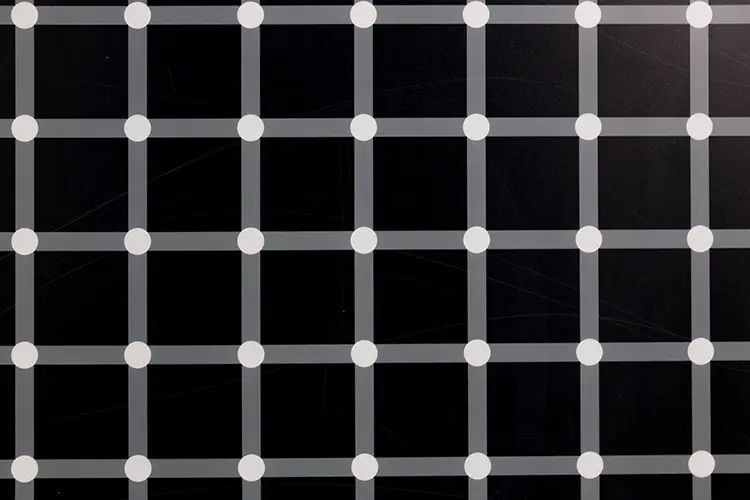
- Classic Example: The Hermann Grid: When you look at this grid of black squares separated by white lines, you may see "ghostly" gray dots appear at the intersections of the white lines. These dots aren't there. They appear because the way the cells in your retina respond to the high contrast between the black and white "tricks" your brain into perceiving a dot of light (or shadow) that doesn't exist.
3. Cognitive Illusions
These are the most complex illusions, as they trick your brain's deep-seated assumptions about the world. They use your own knowledge of perspective, size, and shape against you. Cognitive illusions are often broken down further:
- Ambiguous Illusions: (Like the Rubin Vase) where the image can be seen in two different ways.
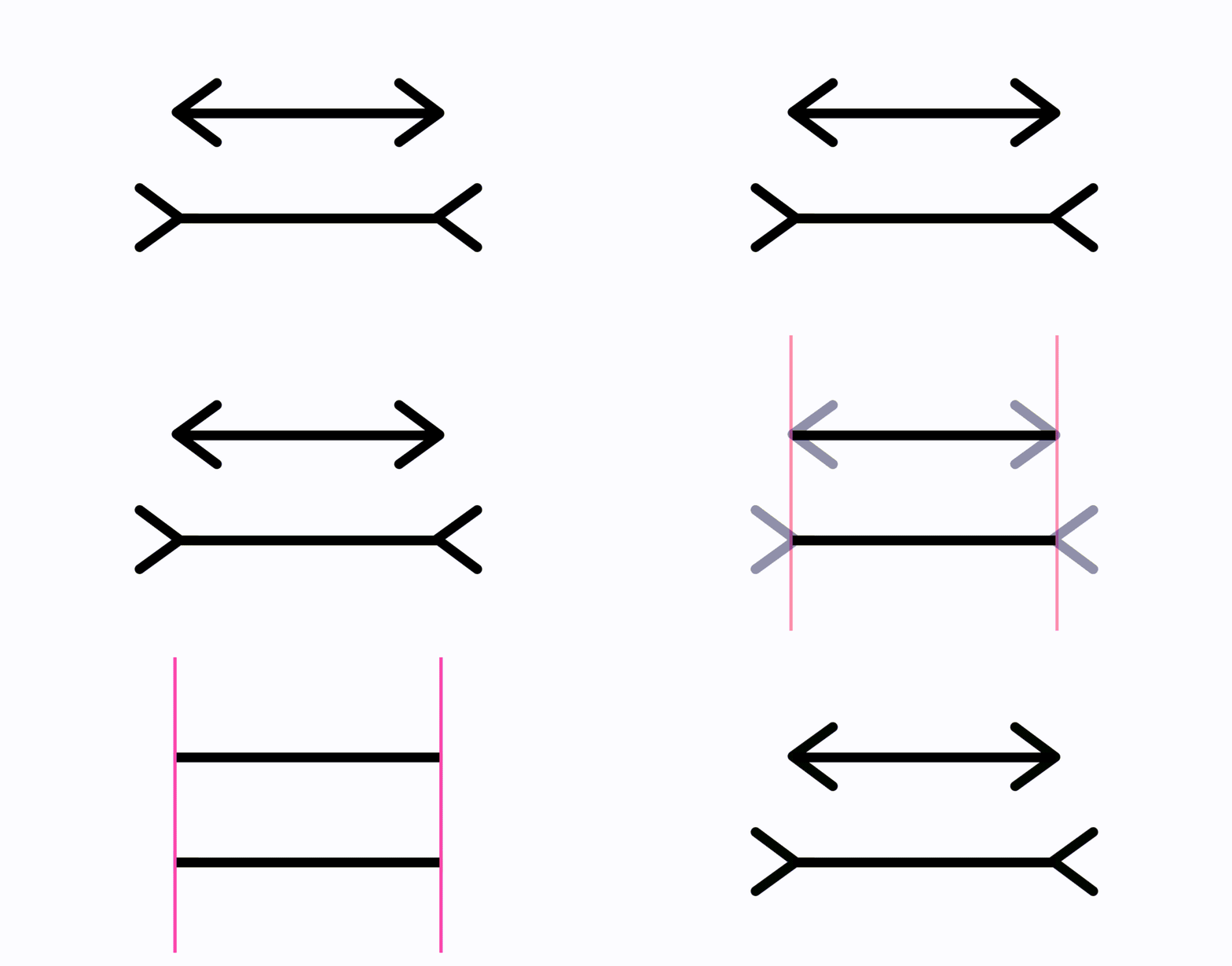
- Distorting Illusions: Where your brain's sense of size or length is warped. The famous Müller-Lyer illusion, with its inward and outward-facing arrows, makes two lines of the same length appear different.
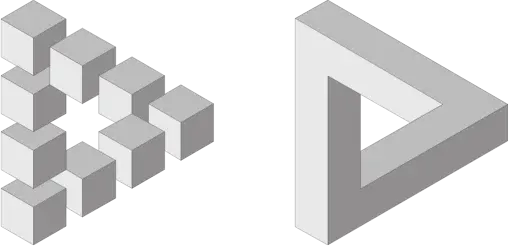
- Paradox Illusions: These are "impossible objects" that look fine in 2D but could never exist in the real world. The Penrose Triangle is a perfect example—a triangle whose sides seem to connect at impossible angles.
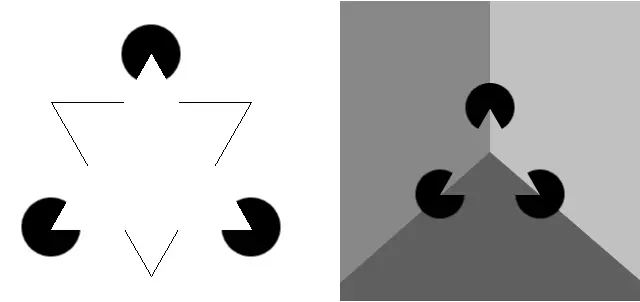
- Fictional Illusions: Where your brain "sees" something that is not there at all. The Kanizsa Triangle is the best example, where your brain creates a bright white triangle in the center, even though no lines for that triangle are actually drawn.
Ultimately, optical illusions aren't a sign that your brain is "broken." They are a window into how it works, revealing the amazing and complex processes that are constantly running in the background to build the reality you perceive every single day.
source - wikipedia.org, bigthink.com
Frequently Asked Questions