 English
 Russian
 Español
 Français
 Deutsch
 हिन्दी
 සිංහල
සිංහල 中文
中文 日本語
日本語
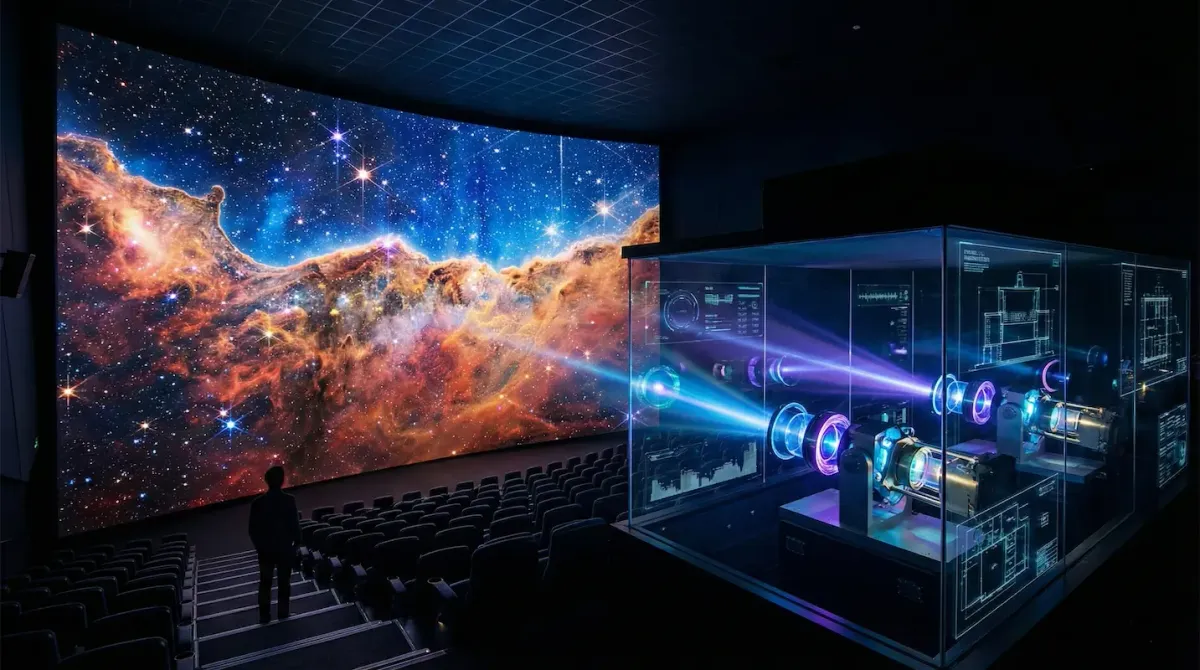
When a major film such as Oppenheimer or Dune is released, directors often encourage audiences to watch it in IMAX. These screenings usually come with higher ticket prices and longer queues, which naturally raises a question for many viewers: is IMAX truly different, or is it simply a larger screen?
IMAX, short for Image Maximum, is far more than a cinema brand. It is a complete filmmaking and projection system that includes specialized cameras, unique film and digital formats, advanced projectors, powerful sound systems, and specially designed theaters. Developed in Canada during the late 1960s, IMAX was created with one main goal in mind: to make movies feel immersive by filling as much of the viewer’s vision as possible. To understand why IMAX feels so different, it helps to break down the key technologies behind it, including screen aspect ratio, projection methods, sound design, and theater layout.
The Aspect Ratio: Seeing More of the Movie
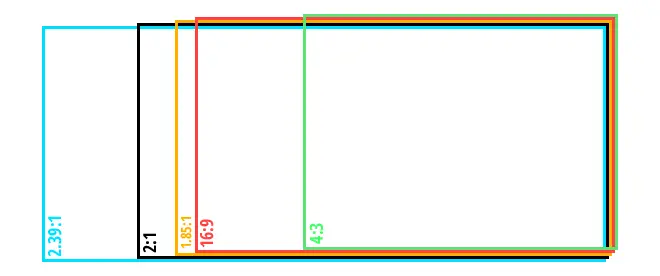
One of the most noticeable differences between a regular cinema and an IMAX theater is the shape of the screen. Most standard movies are shown in a wide format known as “Scope,” which has an aspect ratio of 2.39:1. This format is very wide but relatively short, which is why black bars often appear at the top and bottom of the image on TVs and non-IMAX screens.
IMAX screens are designed to be much taller. Digital IMAX typically uses a 1.90:1 aspect ratio, while true IMAX 70mm theaters use an even taller 1.43:1 format. This added height allows more of the original image to be displayed.
As a result, movies shot with IMAX cameras expand vertically when shown on an IMAX screen. The black bars disappear, and viewers can see 26% to 40% more visual content compared to standard theaters. This means more detail in the environment, whether it is extra sky, landscapes, or background action, creating a stronger sense of realism and immersion.
The Projectors: Laser vs. 70mm Film
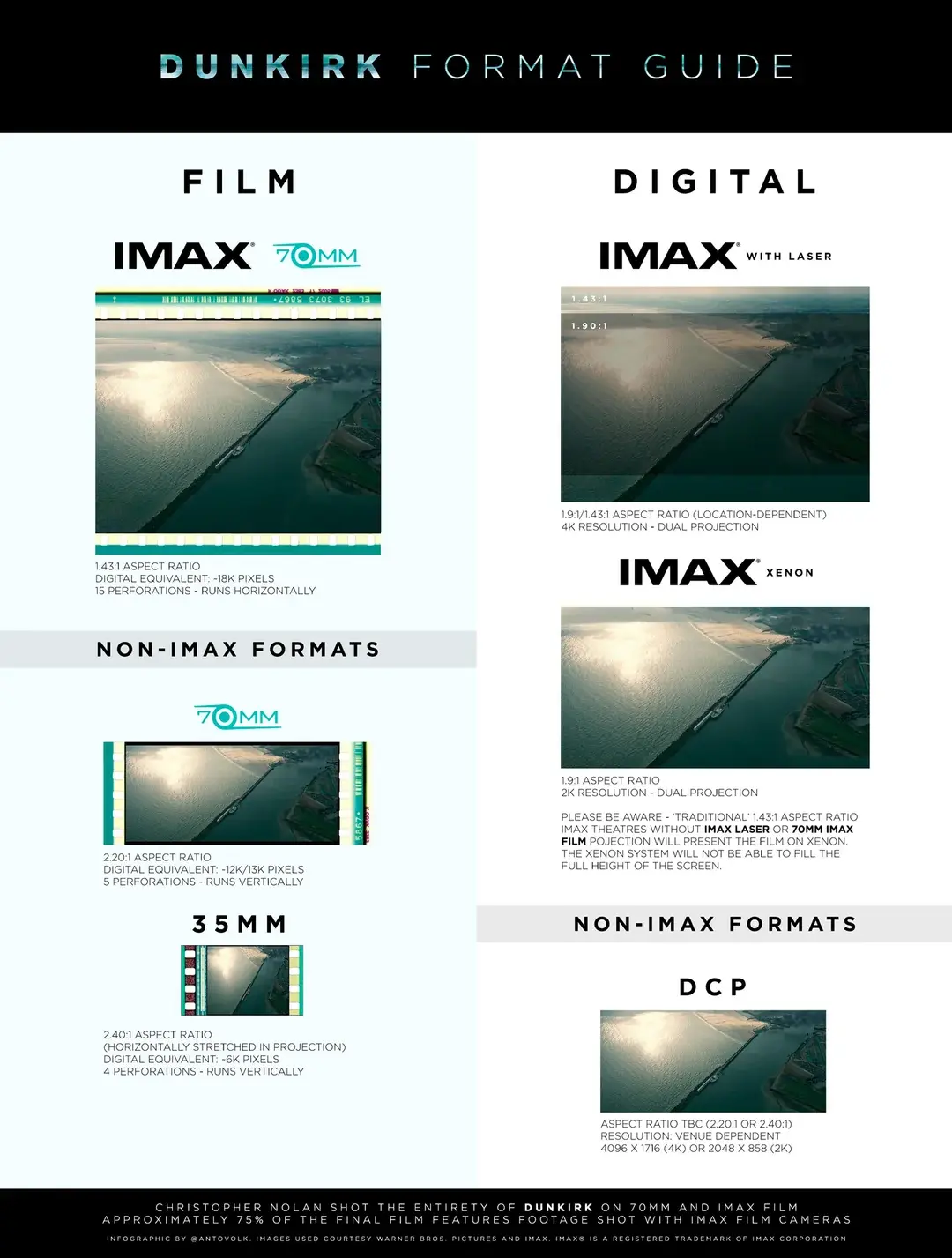
Not every IMAX theater uses the same projection technology. There are two main systems responsible for delivering the IMAX image, each offering a different viewing experience.
Modern IMAX theaters commonly use IMAX with Laser, which relies on dual 4K laser projectors. Unlike traditional projectors that use Xenon bulbs, laser projection produces brighter images, deeper blacks, and more accurate colors. Laser systems also maintain consistent brightness over time, ensuring high image quality throughout the movie.
For cinema enthusiasts, IMAX 70mm film is considered the highest standard available. Instead of using digital files, these theaters project movies from large physical film reels. While a 4K digital image contains around 8 million pixels, a single frame of IMAX 70mm film has a theoretical resolution close to 18K. The film itself runs horizontally through the projector and is significantly larger than standard 35mm film, resulting in exceptional sharpness and detail that digital formats still struggle to match.
The Sound: Bass You Can Feel
Visuals are only part of the IMAX experience. Sound plays an equally important role. In standard cinemas, audio systems usually follow 5.1 or 7.1 surround sound formats. IMAX theaters use a custom-designed audio system with large, powerful speakers installed behind the screen and throughout the auditorium.
IMAX soundtracks are delivered with minimal compression, allowing for a wider dynamic range. This means quiet sounds remain clear and detailed, while loud moments feel intense and physically impactful. IMAX also uses precise speaker alignment to control where sounds appear to come from, allowing effects such as vehicles or aircraft to move realistically across the room. This creates an audio experience that feels immersive rather than simply loud.
Theater Geometry
The design of the IMAX theater itself is another key factor. In traditional cinemas, the screen is positioned far away at the front of a long room. IMAX theaters are built differently, with screens that stretch from wall to wall and floor to ceiling.
Seating is arranged in a steep stadium-style layout, bringing viewers closer to the screen and increasing their field of view (FOV). By filling the viewer’s peripheral vision, IMAX reduces the sense of watching a movie from a distance and instead creates the feeling of being inside the scene.
Conclusion
IMAX is not just a marketing label or a slightly larger screen. It represents a different approach to how movies are captured, projected, and experienced. From taller aspect ratios and advanced projection systems to powerful sound and immersive theater design, every element is built to enhance the viewing experience.
For audiences who want to see films as close as possible to the director’s original vision, IMAX is often worth the extra cost. To get the best results, look for theaters offering IMAX with Laser, or if available in your region, the premium IMAX 70mm Film experience.
Sources: imax.com, lfexaminer.com, ymcinema.com, studiobinder.com
Frequently Asked Questions