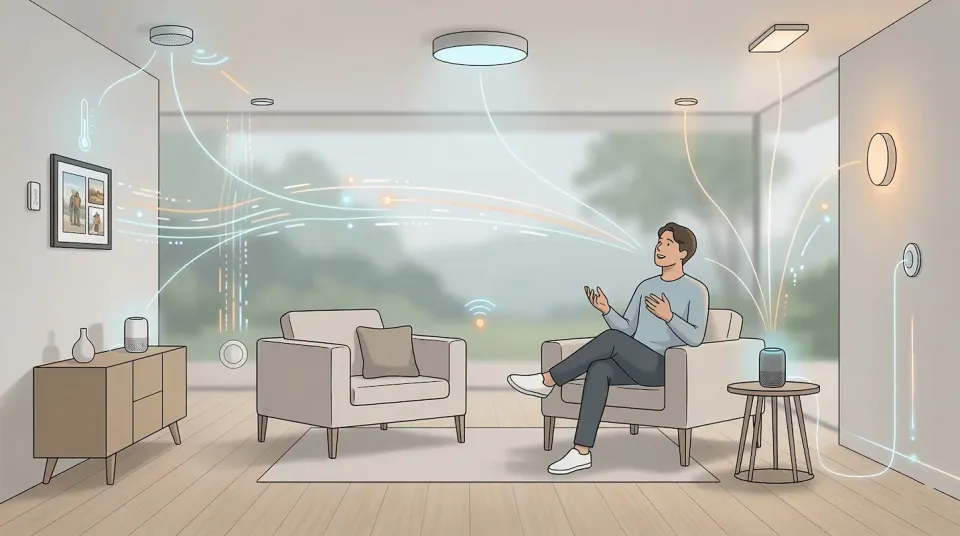
Smart Wellness: Wearable Devices That Actually Improve Your Sleep and Lifestyle

 English
 Russian
 Español
 Français
 Deutsch
 हिन्दी
 සිංහල
සිංහල 中文
中文 日本語
日本語
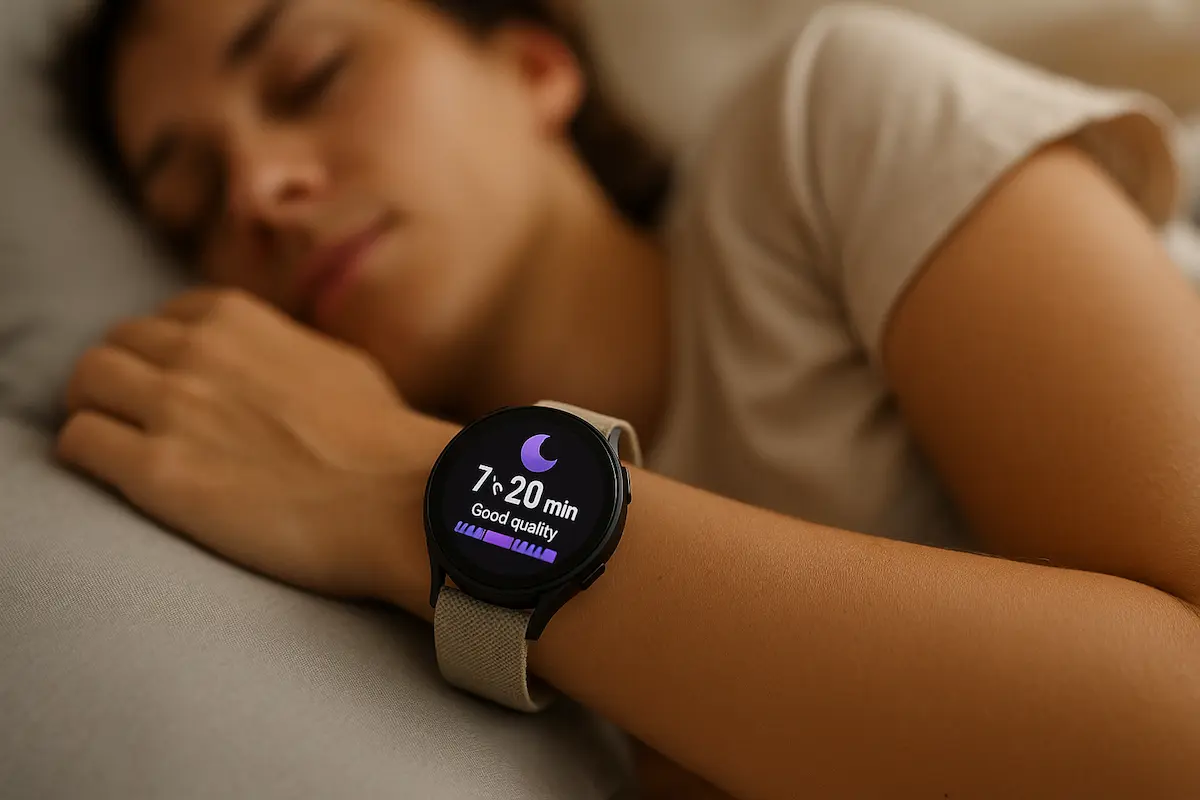
In our fast-paced world, sleep and lifestyle often take a back seat. But today, wearable wellness devices are stepping into the spotlight—offering more than just step-counts. They’re tracking your sleep, helping you understand your habits, and nudging you toward healthier routines. Let’s explore how these wearables work, the evidence behind them, and how they can truly enhance your sleep and daily wellbeing.
How wearable devices support sleep and lifestyle
Wearable devices typically use sensors like accelerometers to track movement, photoplethysmography (PPG) for heart rate, and sometimes temperature or skin-conductance to monitor physiological states during sleep. These data allow the device to estimate metrics like sleep duration, sleep onset latency (how quickly you fall asleep), number of awakenings, and even different sleep stages such as light, deep, and REM sleep. While they don’t match clinical sleep studies exactly, they do provide actionable insights for everyday use.
Beyond sleep, these devices integrate lifestyle tracking—including your activity levels, heart rate variability (HRV), stress markers, sedentary time, and reminders to move or relax. By combining sleep data with daily behaviour patterns, they can highlight correlations (for example: poor sleep followed by sluggish activity or higher stress) and guide you toward healthier habits.
Evidence: what works and what’s still emerging
Research shows promising results but also highlights limitations. Some studies found that users fell asleep faster when using wearable wellness devices, reducing both subjective and objective sleep onset latency. Broader reviews note that while these devices are strong at monitoring sleep, their ability to directly improve sleep quality depends largely on how users apply the insights. Newer research in 2025 also suggests wearables can support behaviour change and even contribute to circadian rhythm studies and overall health outcomes.
The key takeaway: wearables provide valuable awareness and guidance, but they’re not a magic fix. Real improvement comes when you adjust your lifestyle, sleep routines, and habits based on the data.
Key features to look for in sleep and wellness wearables
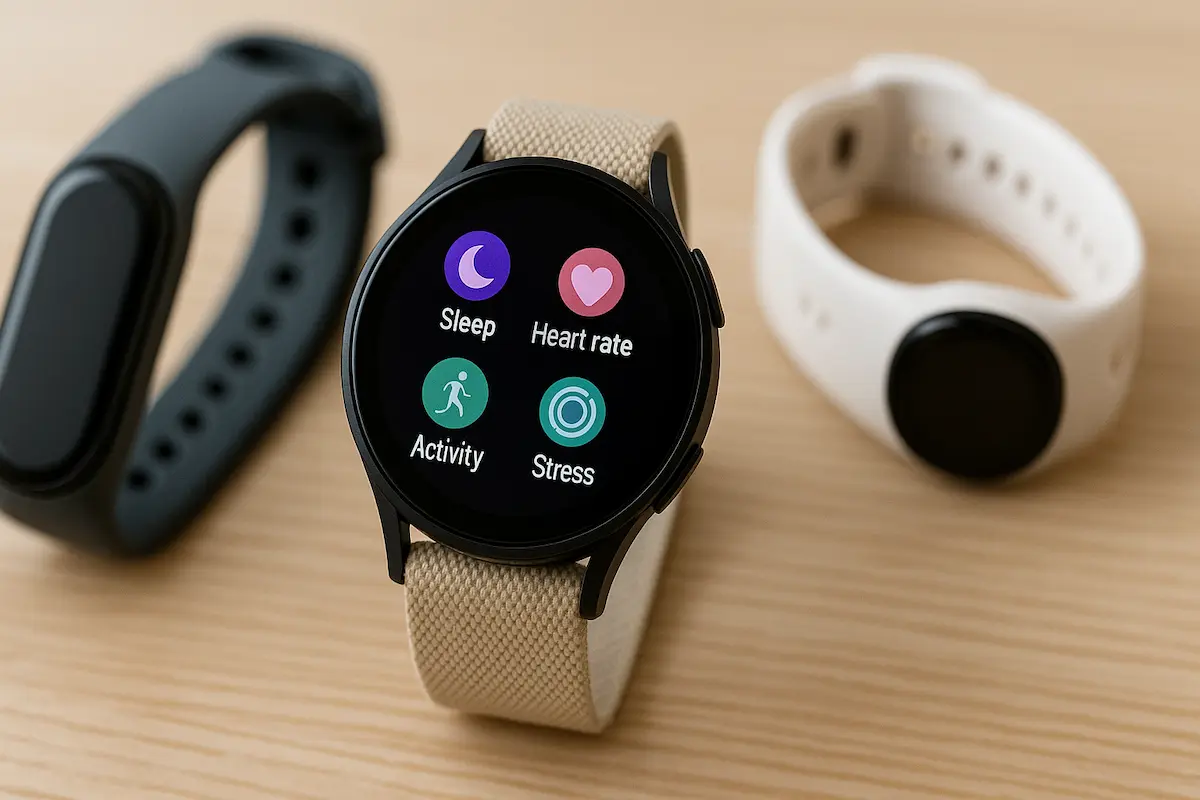
- Sleep tracking & analysis: Tracks sleep onset, awakenings, stages, and trends over time.
- Lifestyle integration: Activity tracking, heart rate and HRV monitoring, stress or recovery insights.
- Feedback & guidance: Provides suggestions like winding down earlier or improving bedtime routines.
- Comfort at night: Comfortable enough to wear without disturbing your sleep.
- Clear data insights: Easy-to-understand data visualisation and trends.
- Validated accuracy: Look for devices with independent or peer-reviewed validation.
- Lifestyle reminders: Tools like bedtime reminders, breathing exercises, or relaxing soundscapes.
How to use wearables effectively (not just as “trackers”)
To get real value from a wearable, it helps to use it intentionally.
Begin by tracking your baseline for 1–2 weeks while keeping your usual routine. Observe sleep metrics, how rested you feel, and your daily habits such as caffeine intake, screen time, and exercise timing.
Then identify patterns. For example, you may fall asleep later after late-night meals or wake up more often on stressful days. Use this information to test simple changes like reducing evening screens or setting a consistent bedtime.
Next, follow the feedback provided by your device’s app, but align it with proven sleep hygiene techniques such as maintaining consistent sleep schedules, reducing late caffeine, keeping your bedroom quiet and dark, and doing relaxing pre-sleep activities.
Finally, focus on long-term trends rather than obsessing over nightly scores. Sleep naturally varies from day to day. Concentrate on overall improvement rather than chasing perfect numbers.
Potential downsides and considerations
Wearables still have some limitations. Detailed sleep-stage tracking is less accurate than clinical methods, especially for devices that rely only on movement and heart rate. The usefulness of insights also depends on how consistently you apply them.
Another consideration is compatibility for people with implanted medical devices, as certain sensors may create interference. Always check guidelines if you use a medical implant.
Future of wearable wellness for sleep & lifestyle
The future of wearables looks promising. New technology is combining multiple sensors—heart rate, temperature, light exposure, and even brain-wave monitoring—with advanced AI algorithms. These devices are evolving from simple trackers to intelligent wellness companions capable of guiding personalised sleep improvement and lifestyle coaching.
Emerging EEG-based headbands can even deliver real-time feedback to help you fall asleep faster or improve sleep quality. As technology matures, wearables may shift from passive monitors to active partners in improving sleep and wellbeing.
Conclusion
Wearable wellness devices offer a meaningful connection between technology and everyday health. When chosen carefully and used consistently, they can help you understand your sleep, refine your habits, and support healthier routines. They aren’t a one-step solution, but they can be a powerful part of a holistic wellness strategy. If you’re aiming for better sleep and a healthier lifestyle, the right wearable could be an excellent companion.
source - health.com, frontiersin.org
Frequently Asked Questions