Nvidia Announces DLSS 5: The Future of Photoreal Gaming
Nvidia has officially announced DLSS 5. Learn how this new real-time neural rendering technology will change PC gaming graphics when it releases this fall.


 English
 Russian
 Español
 Français
 Deutsch
 हिन्दी
 සිංහල
සිංහල 中文
中文 日本語
日本語
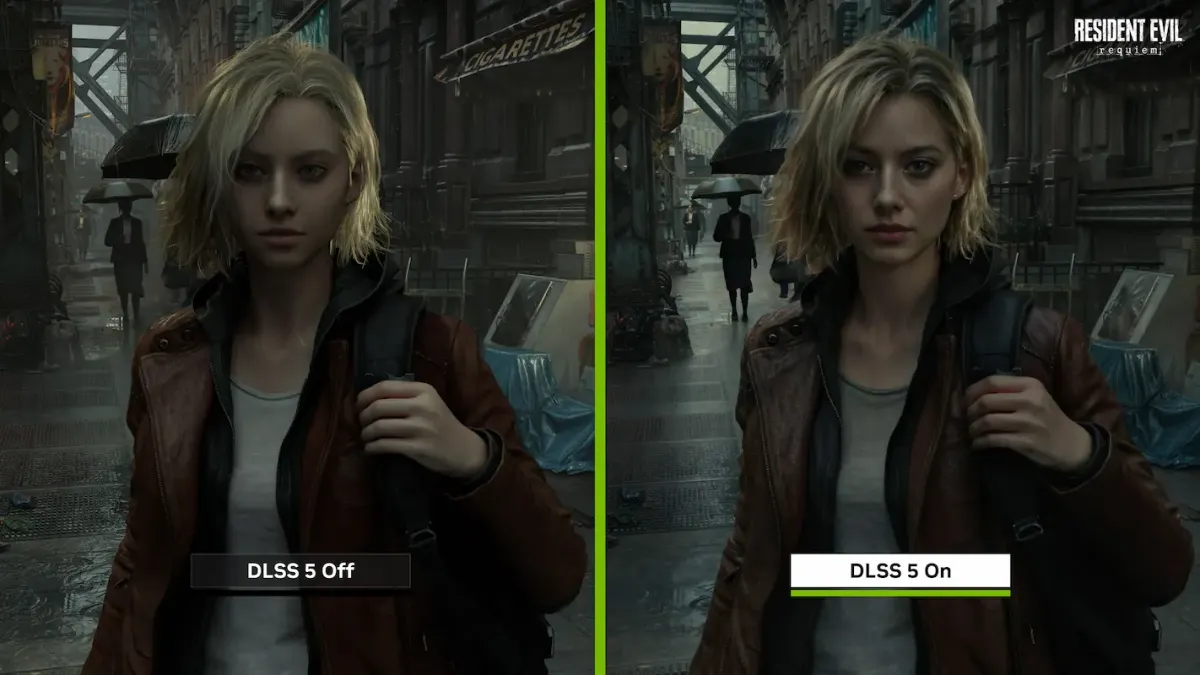
On March 16, Nvidia revealed a major breakthrough at its GTC technology conference. The company’s CEO, Jensen Huang, introduced DLSS 5, calling it one of the biggest advancements in graphics technology since real time ray tracing.
Unlike earlier versions that mainly improved performance, DLSS 5 focuses on transforming how games actually look. It aims to push video game visuals closer to real life. However, the announcement has also sparked debate about the role of artificial intelligence in creative design.
In this guide, we will break down what DLSS 5 is, how it works, why it matters, and the controversy surrounding it.
The Evolution of DLSS Technology
DLSS stands for Deep Learning Super Sampling, a technology developed by Nvidia to improve gaming performance using artificial intelligence.
In its early versions, DLSS was designed to upscale images. It rendered a game at a lower resolution and then used AI to reconstruct it into a higher resolution image. This allowed games to run faster without sacrificing too much visual quality.
Later updates introduced frame generation, where AI creates additional frames between real ones. This made gameplay smoother and increased perceived frame rates.
Recent versions like DLSS 4.5 improved image quality further by enhancing pixel accuracy and detail.
DLSS 5 introduces something entirely new called neural rendering. Instead of only improving performance or resolution, it actively enhances lighting, textures, and materials in real time. This brings game visuals closer to cinematic quality.
A Turning Point for Game Graphics
During the announcement, Nvidia described DLSS 5 as a major milestone similar to the impact of generative AI in other fields.
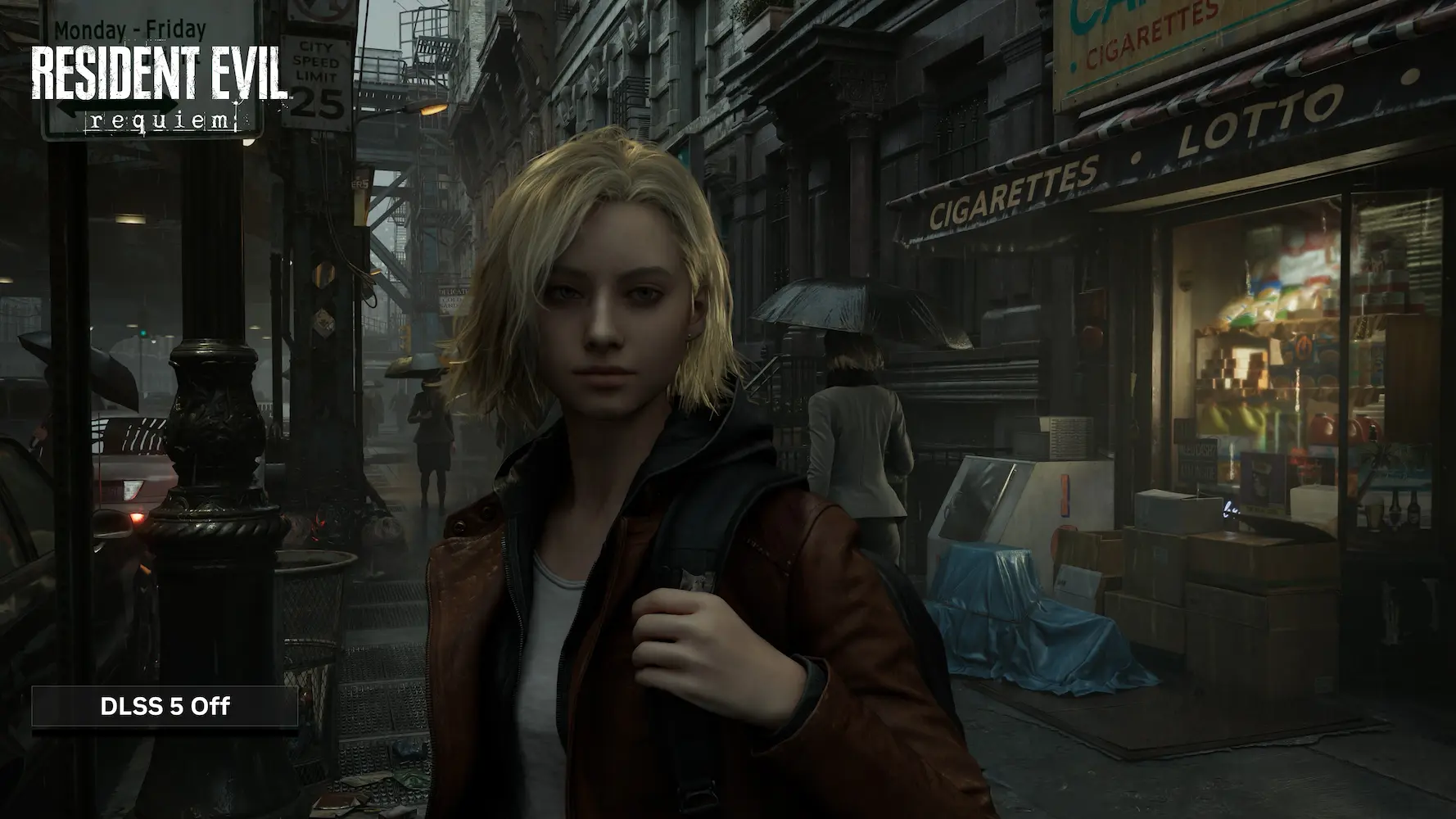
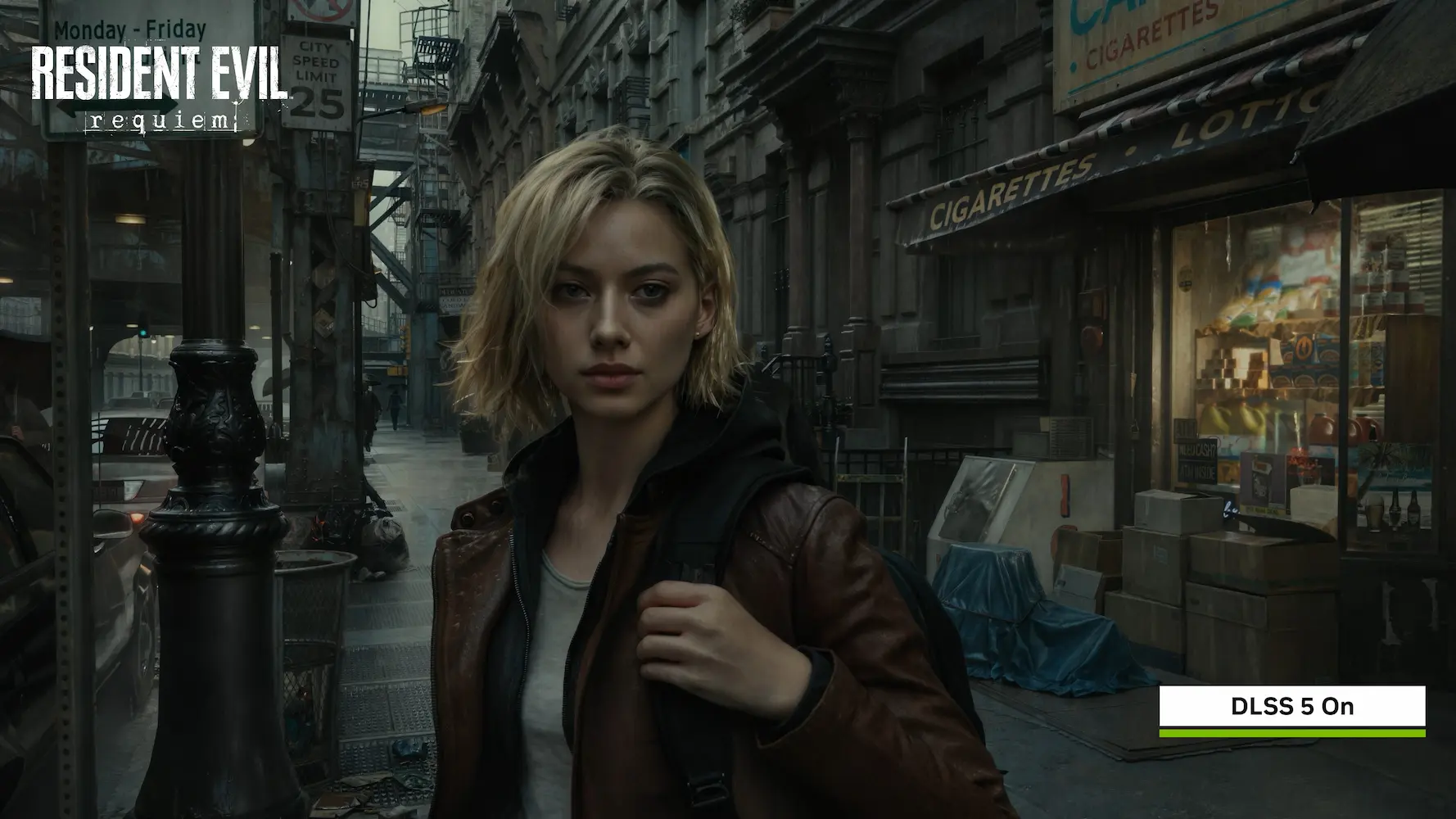
image credit: Nvidia
Traditionally, game developers had to manually design lighting, shadows, and textures. This required both time and computational power. DLSS 5 changes this approach by allowing AI to handle much of the visual enhancement.
The AI works on top of the developer’s original design, improving the final output without requiring massive manual effort.
In film production, rendering a single high quality frame can take hours. DLSS 5 achieves similar visual complexity in real time, allowing players to experience highly realistic graphics while playing.
This represents a major shift in how games are developed and rendered.
How Neural Rendering Works
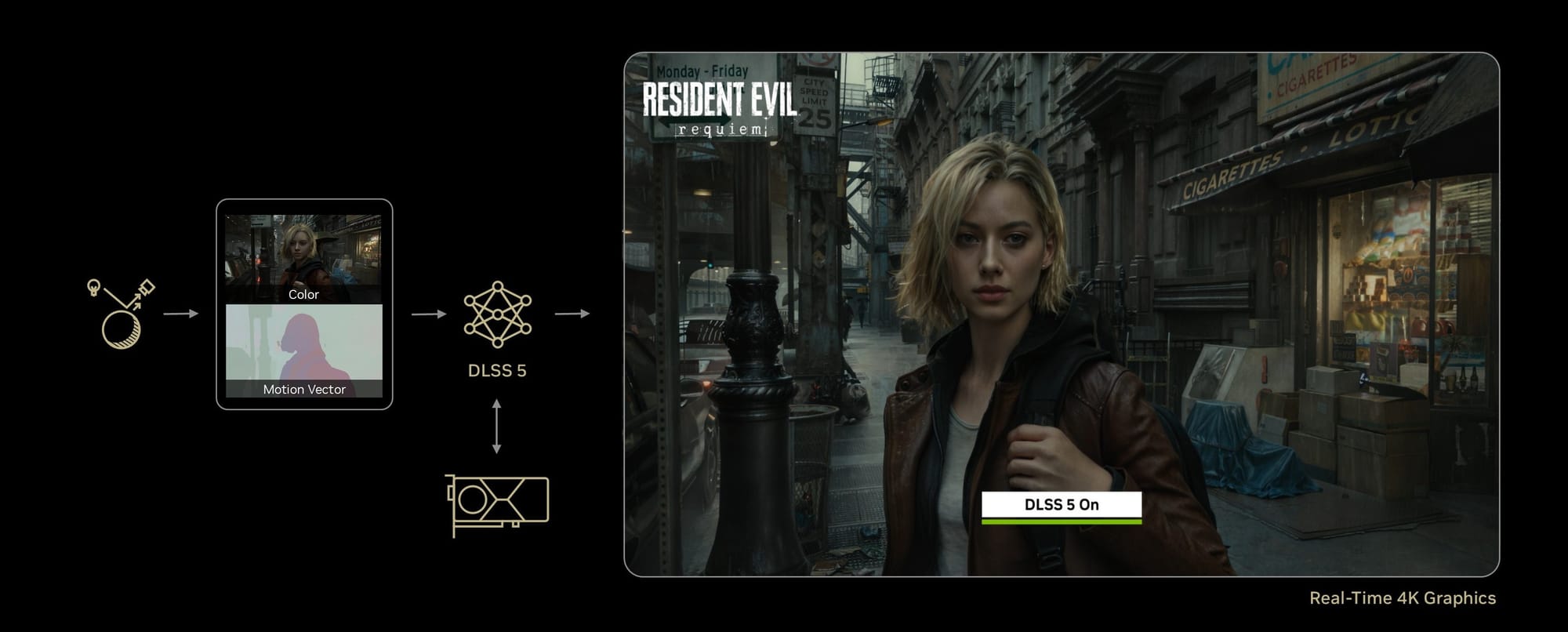
DLSS 5 uses advanced AI models to analyze the game scene in real time.
The system looks at:
- shapes and geometry
- motion data
- lighting conditions
- material properties
Because the AI is trained on large datasets, it can recognize different materials such as metal, fabric, water, and skin.
For example, human skin reflects light in a unique way called subsurface scattering, where light penetrates slightly beneath the surface. This effect is difficult to simulate using traditional rendering methods.
DLSS 5 can recreate this effect instantly, making characters appear more realistic.
The technology also improves:
- reflections on water surfaces
- lighting interactions in complex environments
- shadow details in dense scenes
Even if a game uses standard rendering techniques, DLSS 5 enhances the final image to look far more realistic.
The Debate Around AI in Graphics
Despite its impressive capabilities, DLSS 5 has sparked strong reactions online.
Some gamers and artists argue that the visuals can appear overly artificial or stylized, similar to AI generated filters. In some demonstrations, characters appeared less natural, leading to criticism about realism.
There are also concerns that AI enhancements might override the artistic vision of game developers, making different games look too similar.
Nvidia has responded by explaining that developers have full control over how DLSS 5 is used. They can adjust the intensity, apply effects selectively, or disable certain features entirely.
According to Nvidia, DLSS 5 is intended to assist developers, not replace their creative decisions.
Hardware Requirements and Integration
Running DLSS 5 requires powerful hardware due to its advanced AI processing.
During early demonstrations, Nvidia showcased the technology using two RTX 5090 graphics cards. One handled the game, while the other processed the AI model.
However, Nvidia confirmed that consumer versions will be optimized to run on a single RTX 50 series GPU.
For developers, integrating DLSS 5 is relatively simple. It can be added using Nvidia’s development tools or integrated directly into engines like Unreal Engine 5.
DLSS 5 does not replace existing rendering technologies such as path tracing. Instead, it enhances them to produce more realistic results.
Supported Games and Release Timeline
DLSS 5 is expected to launch in the fall season.
Several major game developers have already confirmed support for the technology, including companies like Ubisoft, Capcom, Bethesda, Warner Bros. Games, and Tencent.
Some of the upcoming games expected to include DLSS 5 support are:
- Assassin's Creed Shadows
- Starfield
- Hogwarts Legacy
- Phantom Blade Zero
- Delta Force
- The Elder Scrolls IV: Oblivion Remaster
This widespread adoption suggests that DLSS 5 could quickly become a standard feature in modern PC gaming.
Conclusion
DLSS 5 represents a major step forward in the evolution of computer graphics. By combining traditional rendering with advanced AI driven neural models, it brings games closer to true photorealism.
While there are valid concerns about artistic control and the role of AI in visual design, the technology itself is a significant achievement. As developers learn how to use it effectively, DLSS 5 has the potential to redefine how games look and feel in the coming years.
Sources - nvidia.com, digitalfoundry.net, tomsguide.com
Frequently Asked Questions