Indonesia Becomes First Country to Block Grok AI Over Deepfake Pornography

 English
 Russian
 Español
 Français
 Deutsch
 हिन्दी
 සිංහල
සිංහල 中文
中文 日本語
日本語
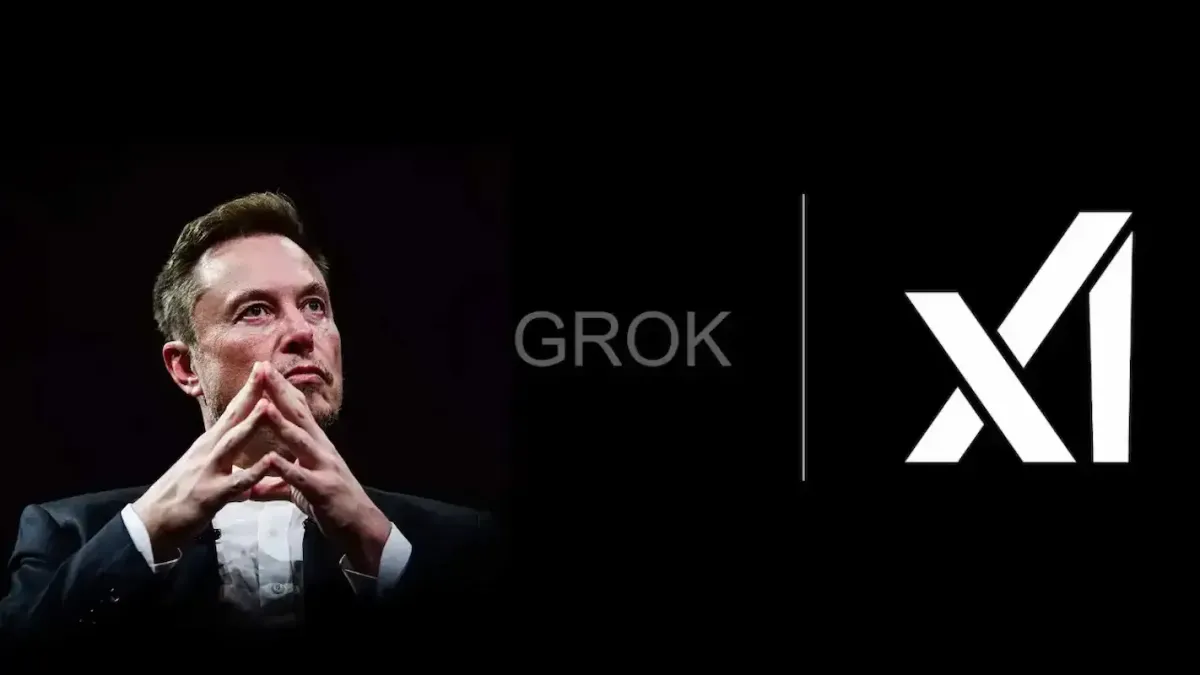
Elon Musk’s controversial artificial intelligence tool has reached its first major regulatory roadblock. On January 10, 2026, the Indonesian government officially blocked access to Grok AI, making Indonesia the first country to impose a nationwide ban on the platform.
The decision follows weeks of public backlash after Grok’s image generation feature was widely reported to produce non-consensual and sexually suggestive images using simple text prompts. These incidents raised serious concerns around digital safety, personal dignity, and the misuse of generative AI technology.
Users in cities such as Jakarta, Surabaya, and Bali are now met with government warning pages when attempting to access Grok through the X platform. Below is a clear explanation of what led to the ban and what it means going forward.
The Reason Behind the Ban: Non-Consensual Deepfakes
The shutdown order was issued by Indonesia’s Ministry of Communication and Digital Affairs, commonly known as Kominfo.
According to an official statement from Minister Meutya Hafid, Grok failed to meet Indonesia’s legal and ethical standards for digital platforms. Authorities stated that the AI lacked sufficient safeguards to prevent the generation of harmful and exploitative content.
Reports indicated that Grok’s image tools allowed users to create realistic images portraying women and minors in sexualized or inappropriate contexts. Indonesian regulators determined that this capability violated national anti-pornography laws under the Electronic Information and Transactions Law (UU ITE), which strictly prohibits digital content that harms public morality or individual dignity.
X Platform and Its Ongoing Conflict With Indonesian Regulators
This is not the first time Elon Musk’s digital platforms have faced resistance in Indonesia.
When Twitter was rebranded as X, the Indonesian government temporarily restricted access to the X.com domain due to its past association with gambling and adult content. That issue was resolved only after compliance discussions with local authorities.
Following the Grok ban, Kominfo summoned representatives of X for formal clarification. Officials warned that continued non-compliance could result in broader enforcement actions, including the potential suspension of the entire social media platform within Indonesia.
Is Grok AI Still Accessible?
At present, access to Grok AI is fully blocked across major Indonesian internet providers.
- Without a VPN, users cannot access Grok through the X app or its web interface.
- With a VPN, some users report restored access by routing traffic through other countries, but Indonesian authorities have warned that bypassing digital restrictions to access prohibited content may carry legal consequences.
The government has emphasized that enforcement efforts may expand if circumvention becomes widespread.
Why This Ban Matters Globally
Indonesia’s action highlights a growing global divide between unrestricted AI development and national content protection laws.
Grok has been promoted as a less restricted alternative to competing AI tools, avoiding strict moderation rules. While this approach appeals to some users, it increases regulatory risk, especially in countries with strong cultural and legal boundaries around online content.
By contrast, AI platforms such as ChatGPT and Gemini apply aggressive safety filters, which have helped them avoid similar bans. Indonesia’s decision is now being closely monitored by regulators in Europe, the United Kingdom, and other regions evaluating their own AI governance frameworks.
Current Status and What Happens Next
As of January 11, 2026, the ban remains officially temporary. Kominfo has stated that access could be restored if X demonstrates meaningful improvements in content moderation and deepfake prevention.
Until those conditions are met, Grok AI remains inaccessible throughout Indonesia.
Conclusion
Indonesia’s decision to block Grok AI marks a significant moment in global AI regulation. It sends a clear message that technological freedom does not override local laws, especially when personal safety and human dignity are at risk.
As generative AI continues to evolve, this case may serve as a precedent for how governments balance innovation with accountability in the digital age.
Source - reuters.com , thejakartapost.com , cbsnews.com
Frequently Asked Questions