
 English
 Russian
 Español
 Français
 Deutsch
 हिन्दी
 සිංහල
සිංහල 中文
中文 日本語
日本語

In our digital age, many of us spend long hours in front of screens smartphones, tablets, laptops and TVs often with little thought to the light we’re absorbing. Among the most influential of these lights is blue light, a high-energy visible wavelength that can boost your alertness and mood during the day or disrupt your sleep and productivity at night. This article explores how blue-light habits shape your daily mood and productivity, and how you can manage them better.
What is blue light and why does it matter?
Blue light is a visible wavelength between 400 nm and 500 nm. It comes from the sun naturally, but it is also emitted by LED screens, indoor lighting and digital devices. During the day, blue-enriched light helps your brain stay awake by suppressing the sleep-related hormone melatonin. It can support alertness, improve visual comfort and lift your mood.
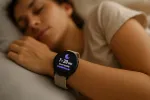
However, when you absorb too much blue light late in the evening especially from screens,it may confuse your internal clock, delay sleep and reduce overall sleep quality. This can easily affect next-day mood, cognitive performance and energy levels.
How blue-light habits affect mood
Light strongly influences emotional regulation in the brain. Daytime blue-light exposure can help you feel more awake, focused and emotionally balanced. Research shows that blue-enriched light during morning hours can enhance alertness and improve subjective mood.
But late-night screen exposure can have the opposite effect. It can delay melatonin production, shorten sleep duration and reduce sleep quality. Poor sleep may lead to irritability, mood swings, stress sensitivity and low daytime motivation.
Impact on productivity and attention
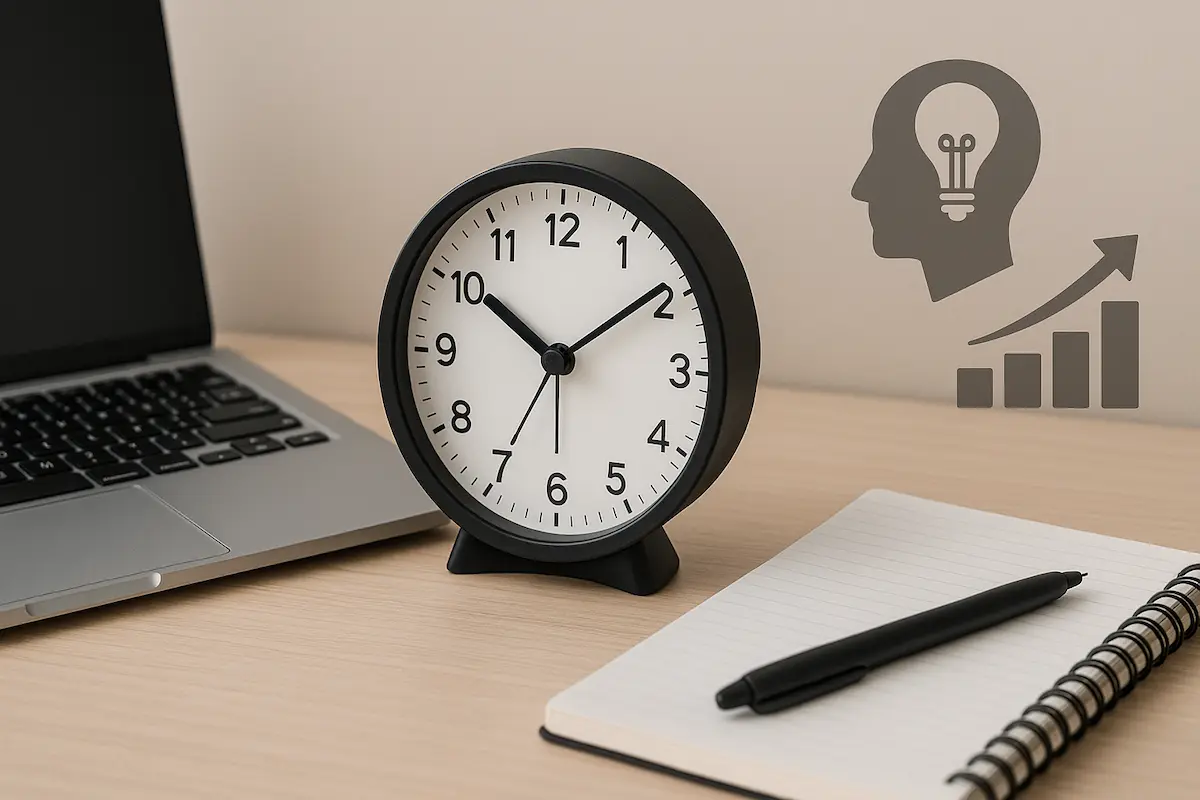
Blue light doesn’t just influence how you feel. it affects how well you perform. Daytime exposure to cooler or blue-enriched lighting has been linked to better reaction times, improved focus and higher cognitive performance.
When used correctly, daytime blue-light exposure can help you stay more alert during tasks that require attention. If you use bright screens late at night, however, the resulting poor sleep can lower your productivity the next day, slow decision-making, reduce concentration and increase errors.
What good and bad blue-light habits look like
Good habits:
- Getting natural daylight or bright, cool lighting in the morning.
- Reducing screen exposure 1–2 hours before bedtime.
- Using warm lighting in the evening to help the body wind down.
Bad habits:
- Browsing or streaming on bright screens right before sleep.
- Staying in dim indoor lighting in the morning and bright screens at night, which confuses your internal rhythm.
- Using warm lighting during the day, which may reduce alertness.
Practical tips to improve your light–mood–productivity cycle
- Start your day with natural daylight exposure for at least 10–20 minutes.
- Use bright, cool lighting during the morning and early afternoon.
- Avoid strong blue-light exposure 60–90 minutes before bed.
- Enable night mode or blue-light filters on your devices in the evening.
- Keep your sleep environment dark, quiet and free from bright LEDs.
- Notice when your productivity dips. This often relates to poor morning light or excessive nighttime screen use.
Special considerations
- People who work night shifts or use screens late may need stronger solutions such as amber-tinted glasses or specialised lighting.
- Individuals with sleep problems or seasonal mood variations may be more sensitive to blue-light timing.
- Light exposure is only one part of wellbeing; diet, stress, activity and sleep habits are also important.
Conclusion
Blue light is a powerful biological signal that shapes your mood, attention and productivity. Managed well, it helps you stay alert and perform better during the day. Managed poorly, it can disrupt sleep and reduce overall wellbeing. By optimising when and how you interact with blue light, you can maintain healthier mood patterns, sharper productivity and a better daily rhythm.
source - pmc.ncbi.nlm.nih.gov, frontiersin.org
Frequently Asked Questions