 English
 Russian
 Español
 Français
 Deutsch
 हिन्दी
 සිංහල
සිංහල
 中文
中文
 日本語
日本語

It’s Official: Google Confirms All Major Android Devices Are Getting AirDrop Support
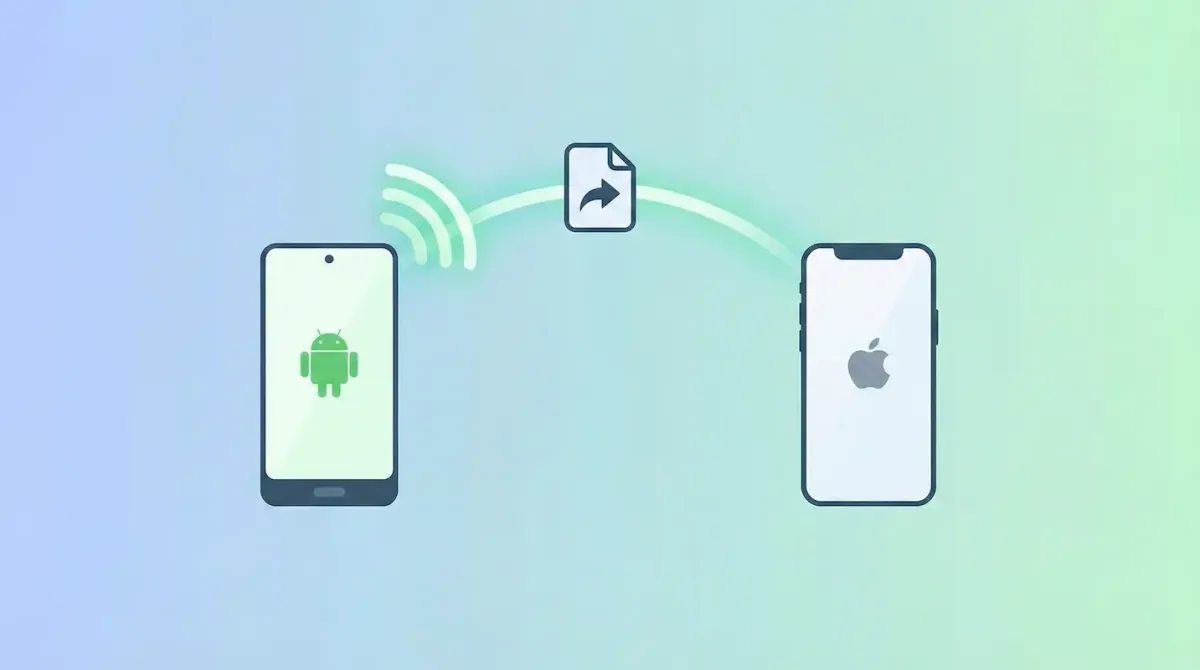
For years, sharing files between Android and iPhone felt unnecessarily complicated. Sending a simple high-resolution photo often meant using email, cloud links, or third-party apps that reduced quality.
In February 2026, Google officially confirmed that this frustration is coming to an end.
During a press event in Taipei, Android VP of Engineering Eric Kay announced that the AirDrop interoperability feature, first introduced on the Pixel 10, will expand across the broader Android ecosystem throughout 2026.
Here is what this means for Android and iPhone users worldwide.
The Expansion Beyond Pixel
The feature quietly debuted on the Google Pixel 10 lineup in late 2025.
 Neovise Staff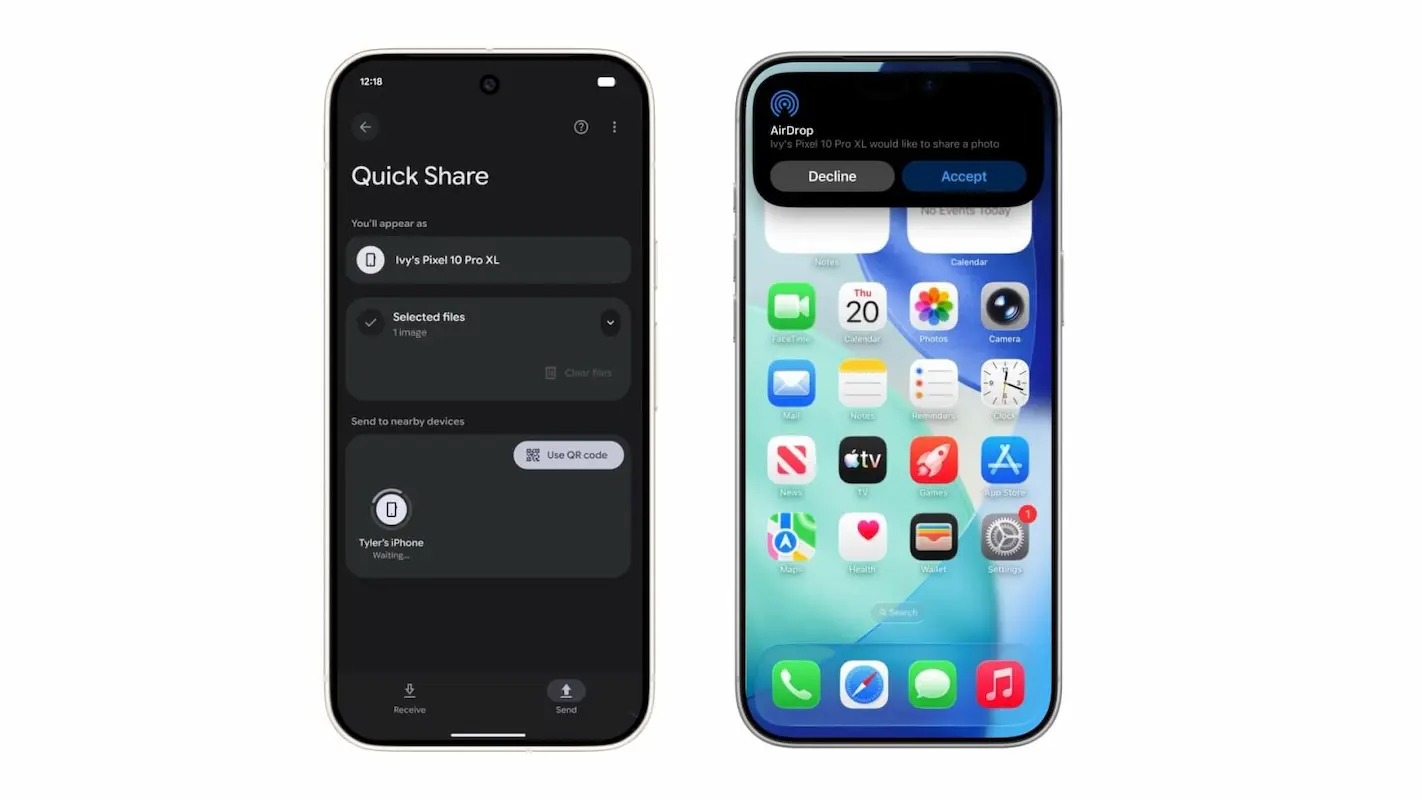
Pixel users noticed that iPhones began appearing inside the Quick Share menu, enabling direct file transfers without extra apps.
Google has now confirmed that this was only the beginning.
According to company statements, support will expand to more Android devices during 2026. While Google has not published a full compatibility list, hardware partner Qualcomm has already hinted that upcoming Snapdragon-powered flagship devices will support the feature. This strongly suggests that premium phones launching in 2026, including Samsung and OnePlus models, will gain native interoperability.
How Android to iPhone File Sharing Works
It is important to clarify that Apple did not officially open AirDrop to Android. Instead, Google enhanced Quick Share, Android’s built-in file transfer system, to communicate with Apple’s AirDrop protocol signals.
Here is how the process works:
- On an iPhone, the user enables AirDrop from Control Center and sets it to “Everyone for 10 Minutes.”
- On Android, the user taps Share on a photo or video and selects Quick Share.
- The Android device appears on the iPhone’s AirDrop screen.
- The iPhone user accepts the transfer just like any normal AirDrop request.
The key advantage is that the iPhone user does not need to install any additional app. From their perspective, it behaves exactly like a standard AirDrop transfer.
This update significantly reduces friction for mixed-device households and professional environments where Android and iOS devices coexist.
Why Google Introduced This Feature Now
There are two major reasons behind this move.
First, regulatory pressure is increasing. The European Union’s Digital Markets Act has pushed large tech companies to improve interoperability between platforms. Making file sharing more open aligns with this direction.
Second, Google benefits strategically. Removing file-sharing barriers makes Android devices more attractive in families where some members use iPhones. Easier compatibility lowers the psychological cost of switching platforms.
By improving Quick Share, Google positions Android as more flexible and ecosystem-friendly.
Rollout Timeline
Google confirmed that the expansion will happen in phases during 2026.
- Phase 1: Pixel 10, Pixel 10 Pro, and Pixel 10 Fold already support the feature.
- Phase 2: Pixel 9 and Pixel 9 Pro devices are receiving support through the February 2026 Feature Drop.
- Phase 3: Additional Android brands are expected to receive compatibility through updates delivered via Google Play Services later in the year.
Because the update is software-based, many devices will gain the feature without needing new hardware.
What This Means for Users
For everyday users, the biggest benefit is convenience. Sending full-resolution photos, large videos, or documents between Android and iPhone devices will no longer require messaging apps or cloud storage workarounds.
This improvement removes one of the long-standing ecosystem barriers between the two platforms. While Android and iOS remain distinct systems, file sharing is becoming far less restrictive.
Conclusion
The rivalry between Android and iOS has always extended beyond messaging bubbles. File sharing has been another dividing line.
In 2026, that line is fading.
With expanded Quick Share interoperability, Android users can now transfer files directly to iPhones in seconds. It is a practical improvement that simplifies daily digital life and makes cross-platform communication smoother than ever before.
Source - macrumors.com , androidauthority.com , techrepublic.com