 English
 Russian
 Español
 Français
 Deutsch
 हिन्दी
 සිංහල
සිංහල
 中文
中文
 日本語
日本語


The End of the Click: How Modern Technology Decides for Users Before They Click Anything
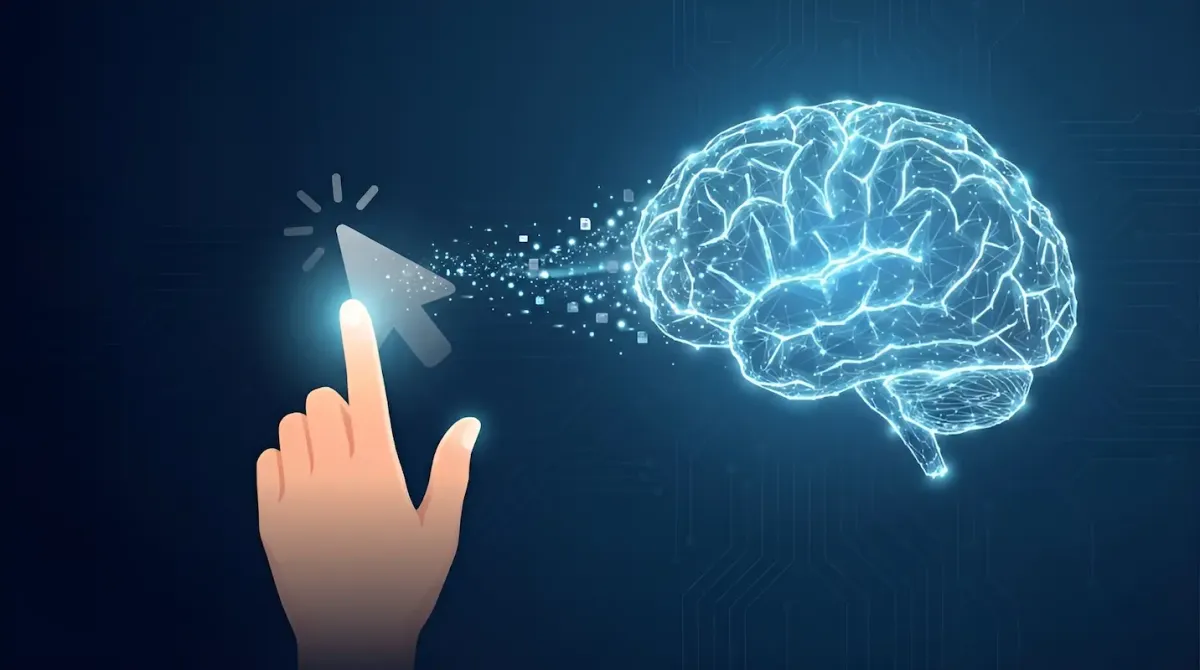
For most of the internet’s history, users were in control. You clicked a link, typed a query, or tapped a button, and the system responded. Every action required an intentional decision.
In 2026, that interaction model is quietly disappearing.
Modern technology now operates on anticipation rather than reaction. Through Agentic AI, predictive user experience design, and biometric sensing, digital systems increasingly decide what users want before any conscious input occurs. In many cases, there is no click at all.
This shift is known as the anticipatory web, and it explains why your phone, browser, or wearable sometimes feels like it understands you better than you understand yourself.
Agentic AI: From Responding to Acting
The most important change is the rise of Agentic AI. Unlike traditional assistants that only respond to commands, agentic systems take initiative.
Instead of waiting for instructions, these systems observe context, predict intent, and act automatically.
For example, when a calendar invitation arrives for an out-of-state event, an AI agent can:
- Check your availability
- Review your travel history
- Compare flight prices
- Match airline preferences
- Prepare a booking option
Platforms exploring this behavior include enterprise automation tools and AI assistants inspired by research from companies like McKinsey. The user is no longer browsing options. They are simply approving a decision that has already been made.
Predictive Pre-Loading and the Disappearing Wait
Modern browsers are also changing how pages load. Speed improvements are no longer just about faster networks.
AI-powered browsers analyze:
- Cursor movement
- Scrolling behavior
- Time of day
- Past usage patterns
If the system predicts that you are about to open a page, it begins loading content in the background before you click. This technique, often discussed in AI browser research from platforms like Zapier, removes waiting time entirely.
The result feels instant, but it also removes the pause where users traditionally reconsider their actions.
Hyper-Personalized Interfaces That Change Per User
In 2026, websites are no longer static.
Two users visiting the same page can see completely different layouts. AI-driven interfaces dynamically adjust structure, content density, and call-to-action placement based on behavioral profiling.
For example:
- Impulsive users may see large buttons and simplified text
- Analytical users may see detailed specifications and comparisons
Marketing researchers, including analysts at Globalia Digital, describe this as generative user interfaces. The system decides how to present information before the page even finishes loading.
Zero-UI and Biometric Decision Making
Clicks are also disappearing because physical interaction is being replaced by biological signals.
New devices rely on:
- Eye tracking to measure attention
- Muscle signal detection using EMG sensors
- Heart rate and stress analysis
- Gaze duration instead of taps
Smart glasses and advanced wearables interpret intent from these signals. If your eyes linger on a notification or your wrist muscles tense slightly, the system interprets this as intent and acts immediately.
You did not press a button. The system detected intention before movement occurred.
The Hidden Cost: Loss of Discovery
While anticipatory systems reduce friction, they also reduce randomness.
When platforms continuously predict preferences, users receive more of what they already like. Over time, this narrows exposure to new ideas, content, and perspectives.
Music apps stop recommending unfamiliar genres. News feeds stop showing opposing viewpoints. Shopping platforms stop surfacing unexpected products.
This creates a second-generation filter bubble that is harder to escape because it operates before conscious choice.
Conclusion
The modern web no longer waits for interaction. It predicts, prepares, and executes before users act.
In 2026, convenience is replacing agency. Technology is shifting from a tool that responds to commands into a system that quietly decides on our behalf.
The critical question is no longer what we want to click.
It is whether we are comfortable letting machines decide before we ever try.
Source - mckinsey.com , zapier.com , globaliadigital.com