
 English
 Russian
 Español
 Français
 Deutsch
 हिन्दी
 සිංහල
සිංහල 中文
中文 日本語
日本語
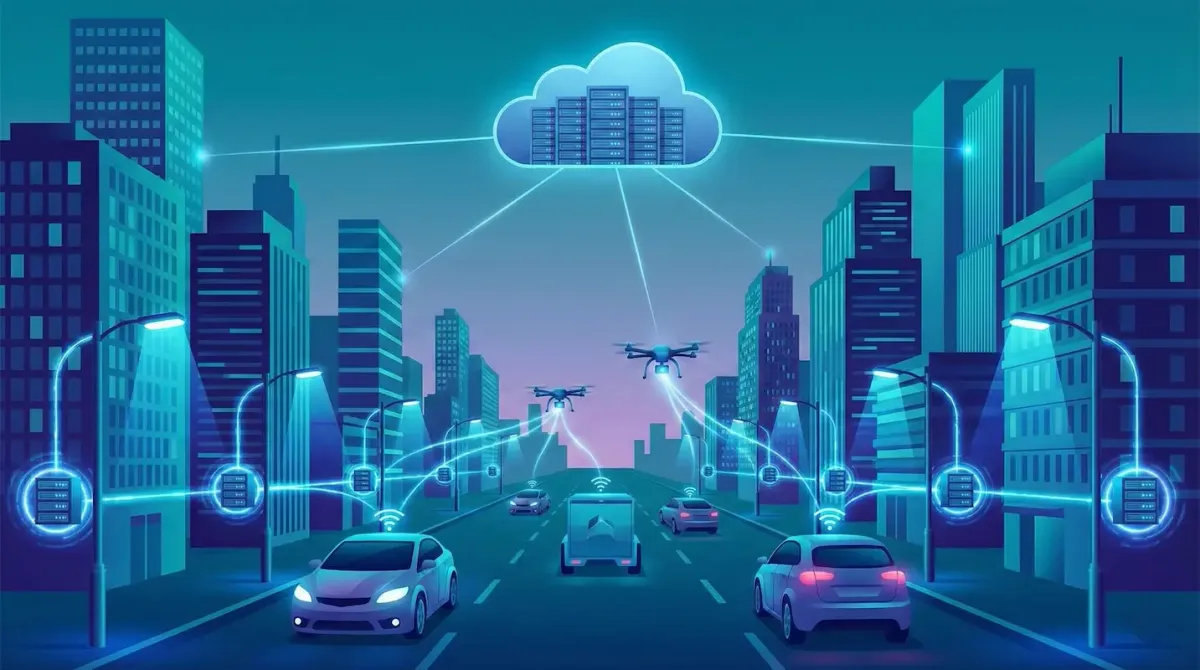
For many years, cloud computing dominated the technology landscape. Photos, messages, business data, and even real-time analytics were sent to massive data centers located far from the people and devices generating that information. In 2026, this approach alone is no longer enough. Speed, privacy, and intelligence now demand something closer.
This shift has brought edge computing into the spotlight. Edge computing is no longer a concept reserved for network engineers. It has become a core foundation for artificial intelligence, autonomous vehicles, smart cities, and modern digital services. Instead of sending every piece of data to the cloud, edge computing processes information close to where it is created, allowing devices to react instantly.
How Edge Computing Works
A simple way to understand edge computing is through the example of a self-driving car. Modern vehicles are equipped with cameras, radar, and sensors that constantly monitor the road. If an obstacle suddenly appears, the vehicle must react immediately.
In a traditional cloud-based model, sensor data would be sent to a remote server for analysis, and the response would be sent back to the car. Even with fast internet, this round trip introduces delay. In 2026, even milliseconds can make the difference between safety and failure.
With edge computing, the vehicle processes data locally. An onboard computer analyzes the video feed in real time and applies the brakes instantly. Only summarized information, such as event logs or driving statistics, is later sent to the cloud for storage or further analysis. This approach dramatically reduces latency and minimizes network traffic.
The Four Main Types of Edge Computing
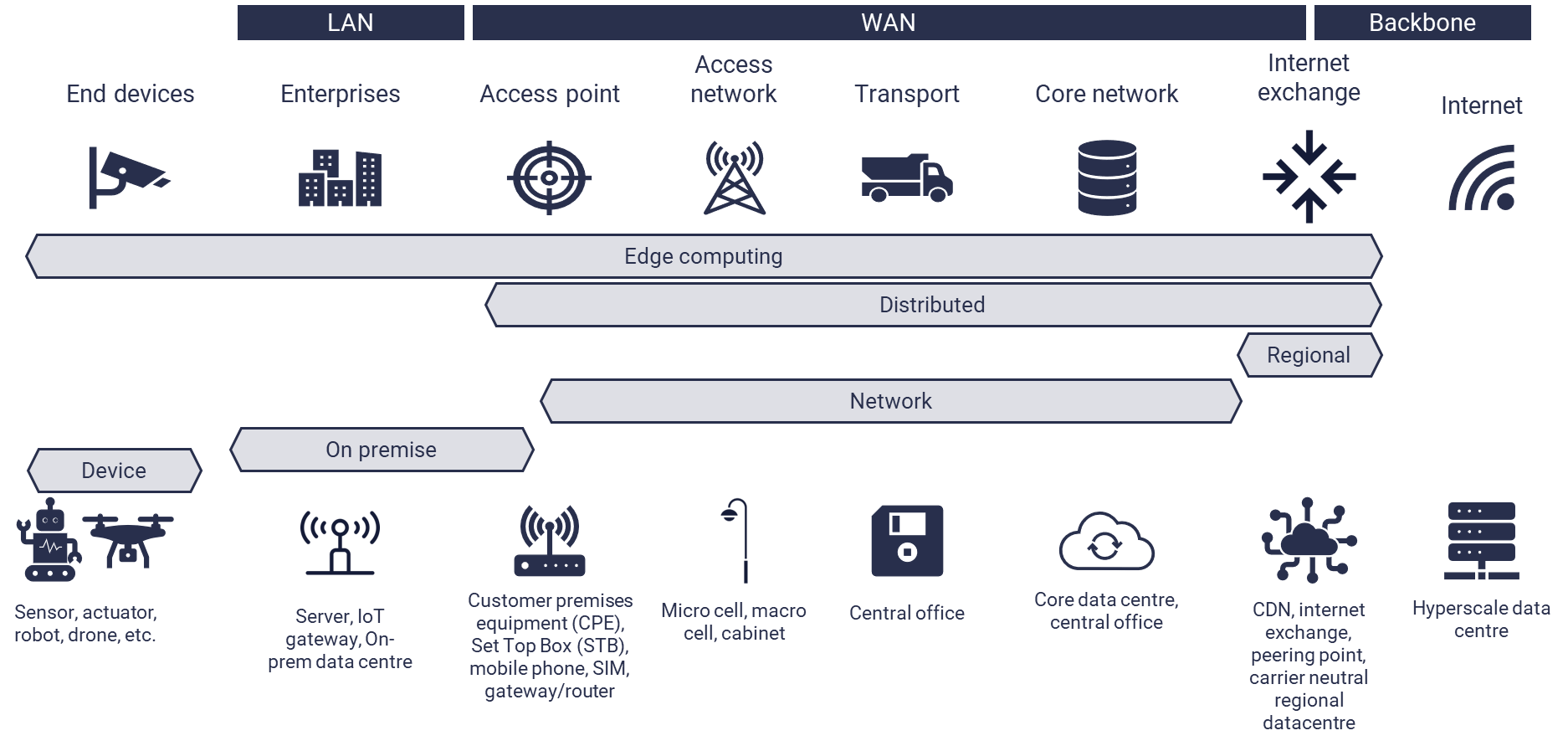
Edge computing exists in several layers, depending on how close the processing power is to the data source. In 2026, it is commonly divided into four main types.
Device Edge Computing
Device edge represents the closest form of edge computing. Processing happens directly on the device itself. Examples include smart cameras, wearable health trackers, and AI-powered smartphones.
These devices use specialized processors such as NPUs to run AI models locally. They can function without an internet connection, making decisions instantly and improving reliability.
On-Premise Edge Computing
On-premise edge computing refers to local servers placed within a building, factory, or organization. A manufacturing plant, for example, may operate edge servers that control robotic systems and monitor equipment health.
Because data remains on-site, this model offers strong security and ensures operations continue even during network outages.
Network Edge Computing (MEC)
Network edge computing, often called Mobile Edge Computing, operates within telecom infrastructure. Processing power is placed at or near cellular base stations operated by providers.
This allows applications such as cloud gaming, augmented reality, and real-time video streaming to run with extremely low latency. Instead of connecting to distant data centers, users connect to servers located just a few miles away.
Regional Edge Computing
Regional edge computing acts as a bridge between local devices and large cloud platforms. These are smaller data centers distributed across cities or regions rather than centralized in one location.
They provide greater computing power than device or on-premise edge while still offering faster response times than traditional cloud data centers.
The Defining Trend of 2026: Edge AI
The biggest change in edge computing in 2026 is the rise of Edge AI. In the past, artificial intelligence models were too large and resource-intensive to run outside powerful cloud servers.
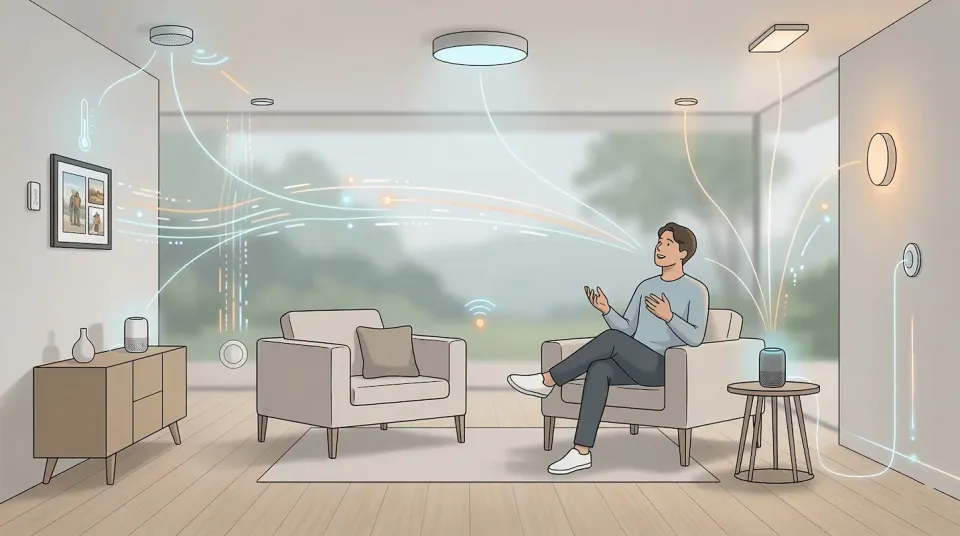
Today, smaller and more efficient models, often called Small Language Models or Micro LLMs, are designed to run directly on devices. This allows laptops, vehicles, and smart home systems to understand language, detect patterns, and make decisions without cloud dependency.
This shift enables what is known as agent-based intelligence at the edge. Devices can now act independently, solve problems, and adapt to situations without human intervention or constant cloud communication.
Why Edge Computing Matters in 2026
The rapid adoption of edge computing is driven by three key advantages.
- Speed: Real-time systems such as autonomous vehicles, drones, and medical devices require immediate responses. Edge computing removes network delays.
- Privacy: Processing data locally reduces the need to transmit sensitive information. Personal data stays closer to the user, lowering exposure to security risks.
- Cost Efficiency: Sending massive amounts of raw data to the cloud is expensive. Edge computing filters and processes data locally, reducing bandwidth and storage costs.
Conclusion
Edge computing in 2026 is no longer experimental. It is a critical part of modern digital infrastructure. Rather than replacing cloud computing, it works alongside it. The cloud handles large-scale analysis and long-term storage, while the edge manages real-time actions and immediate intelligence.
As more devices become connected and AI continues to evolve, local decision-making will define the next generation of technology. Edge computing makes systems faster, smarter, and more secure, ensuring that the digital world can keep up with real-world demands.
Frequently Asked Questions