
 English
 Russian
 Español
 Français
 Deutsch
 हिन्दी
 සිංහල
සිංහල 中文
中文 日本語
日本語
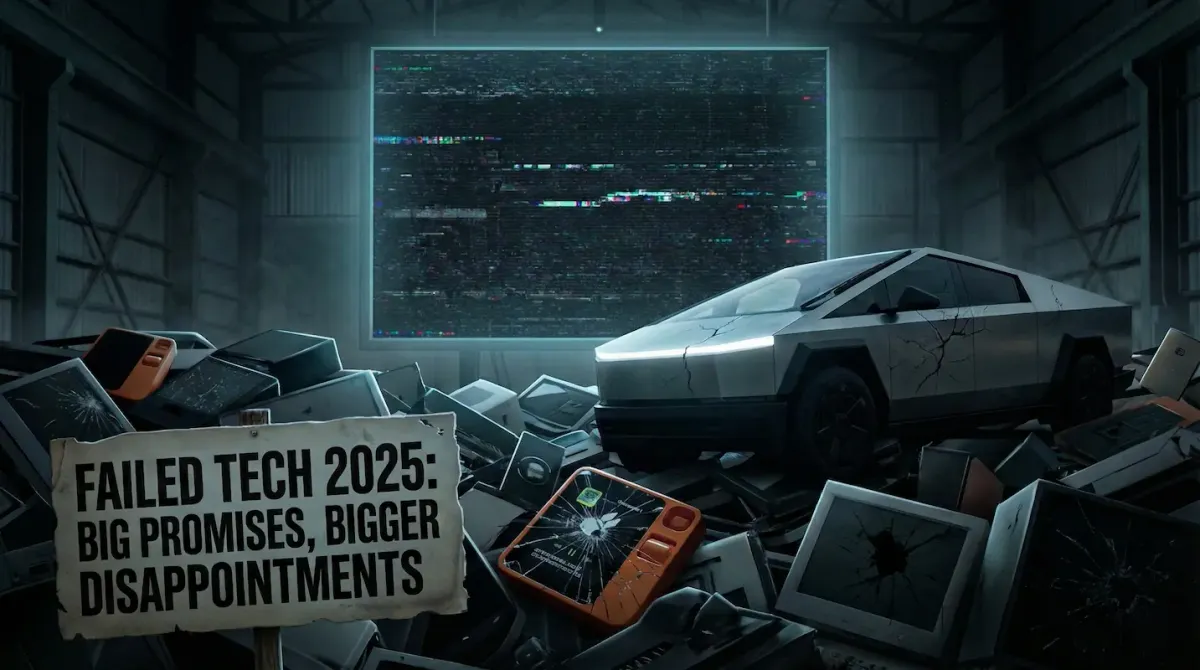
If 2024 was the year of AI hype, 2025 will be remembered as the year that hype finally collapsed. Silicon Valley pushed bold visions of a screenless future, emotional AI companions, and automated everything. Consumers listened, tested the products, and overwhelmingly walked away.
What defined 2025 was not ambition, but incompleteness. Companies rushed half-baked hardware to market, hoping marketing buzz could mask broken software, weak fundamentals, and unclear value. It could not. From wearable AI disasters to budget phones that felt years behind, these were the most spectacular tech failures of 2025.
Humane AI Pin
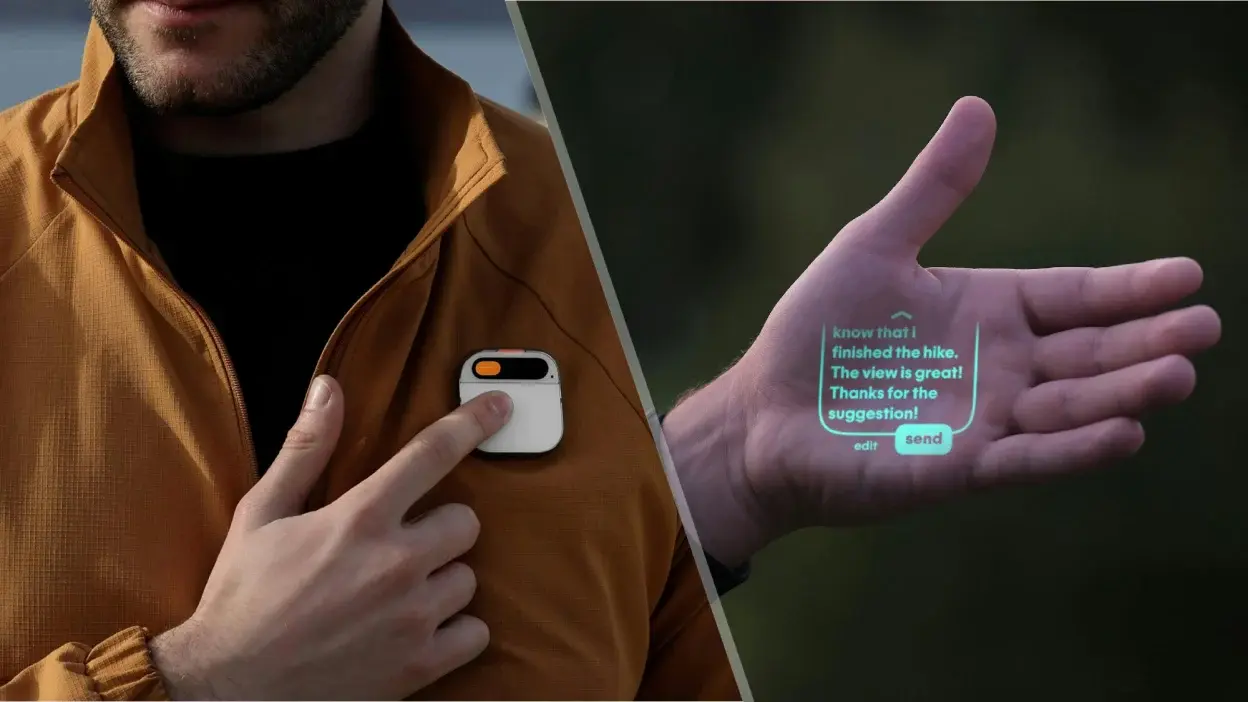
The Humane AI Pin was marketed as the ultimate smartphone replacement. Created by former Apple executives, the $699 wearable promised a future free from screens, powered entirely by voice and AI.
In reality, it barely worked. The device overheated quickly, responses were slow, and the projected interface was nearly unusable in daylight. Reviewers criticized its awkward gesture controls and constant reliance on cloud servers for even basic tasks.
The collapse was swift. In early 2025, reports revealed that the charging case posed a fire risk. By February, Humane shut down sales and sold its remaining assets to HP. Once the subscription servers were turned off, the device stopped functioning entirely, turning an expensive AI experiment into a non-functional accessory.
Rabbit R1
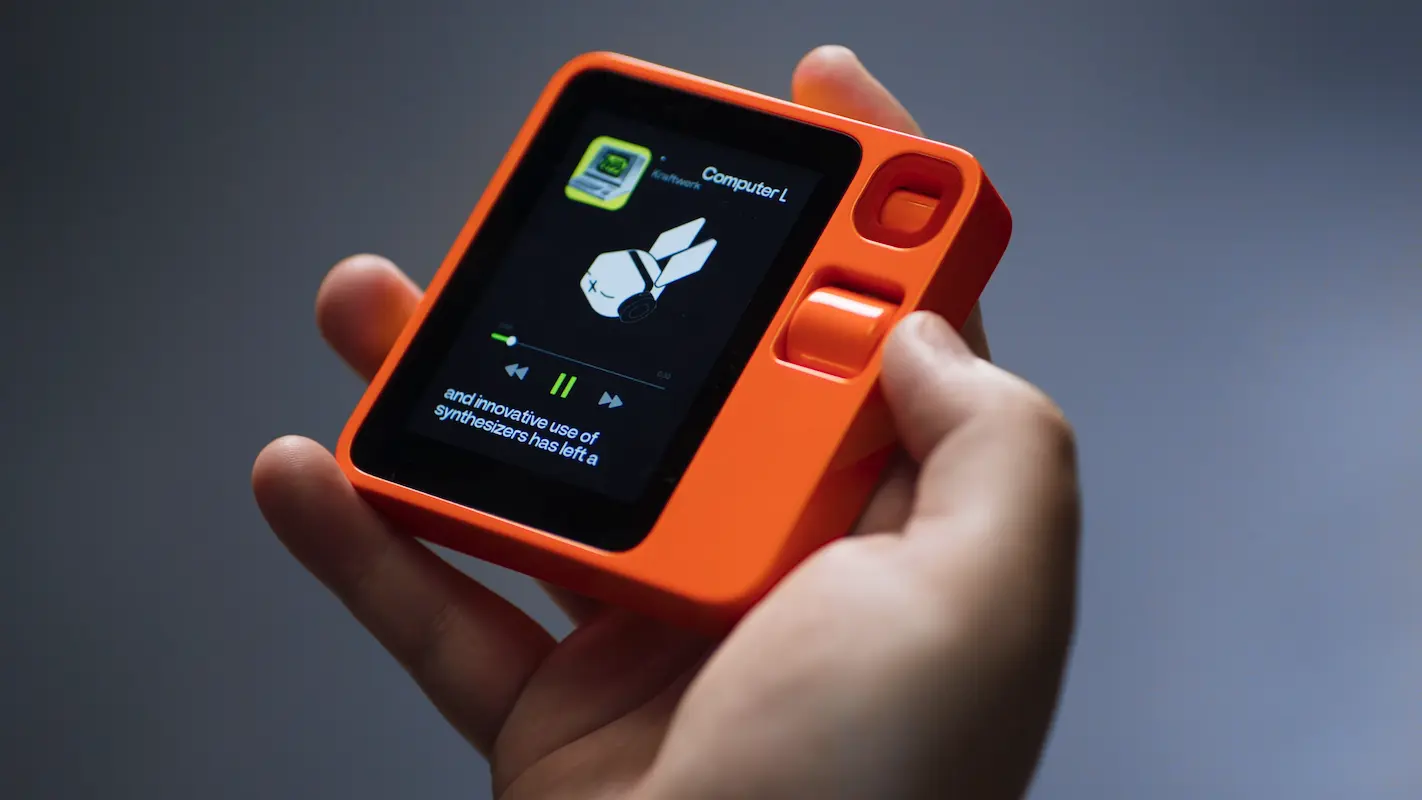
The Rabbit R1 followed a similar path, just with brighter colors. This retro-styled orange device promised to use a “Large Action Model” to operate apps like Uber and Spotify on the user’s behalf.
The problem was execution. At launch, the R1 struggled with even simple commands. Security issues surfaced quickly, and its AI frequently hallucinated responses. Developers later discovered that the system was essentially a lightweight Android app running on underpowered hardware.
Users soon realized that pulling out a smartphone was faster and more reliable than talking to the device. By mid-2025, the Rabbit R1 became a textbook example of solving a problem that never existed.
Tesla Cybertruck
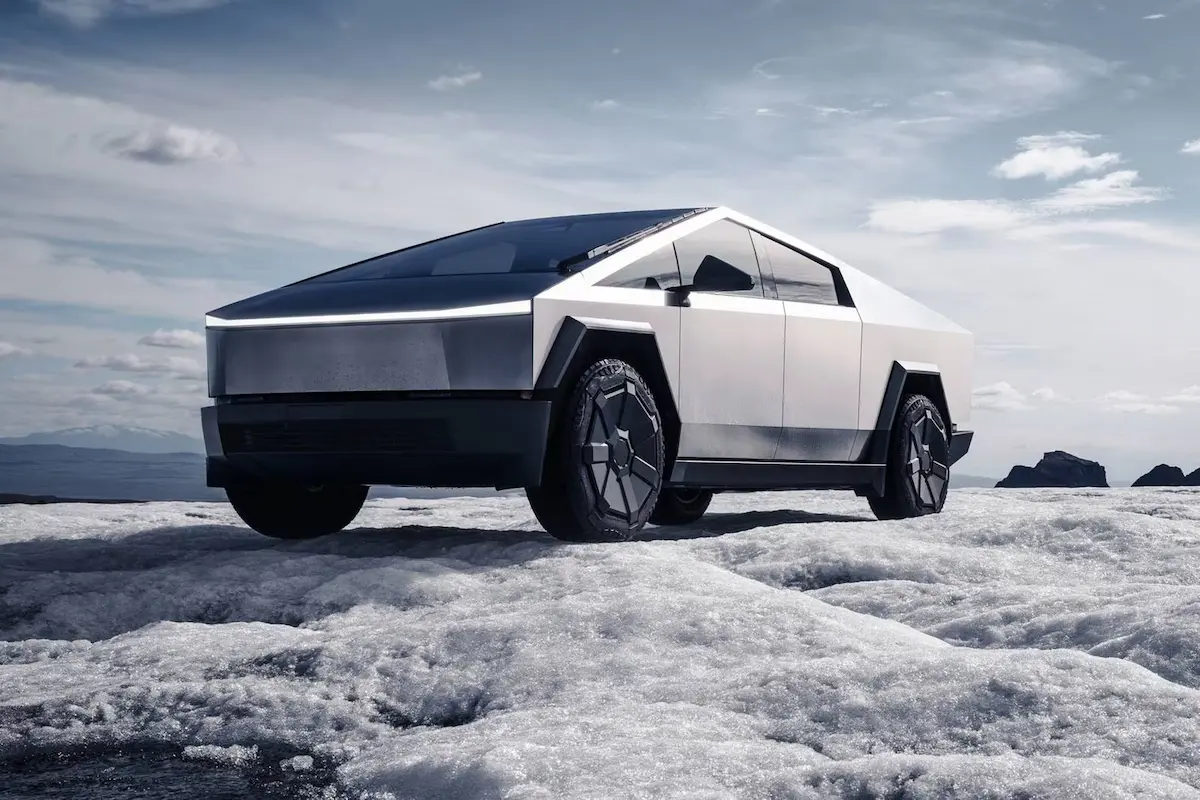
Although the Cybertruck officially launched earlier, 2025 was the year its real-world weaknesses became impossible to ignore. What was marketed as an “apocalypse-proof” electric truck turned into a recall machine.
Throughout the year, Tesla issued recalls for stuck accelerator pedals, malfunctioning windshield wipers, and exterior trim pieces detaching at highway speeds. The stainless-steel body, once advertised as bulletproof, showed signs of rust and staining from normal weather exposure.
Resale values dropped sharply as owners faced frequent service issues. The futuristic design could not compensate for the growing list of mechanical problems.
Panels Wallpaper App
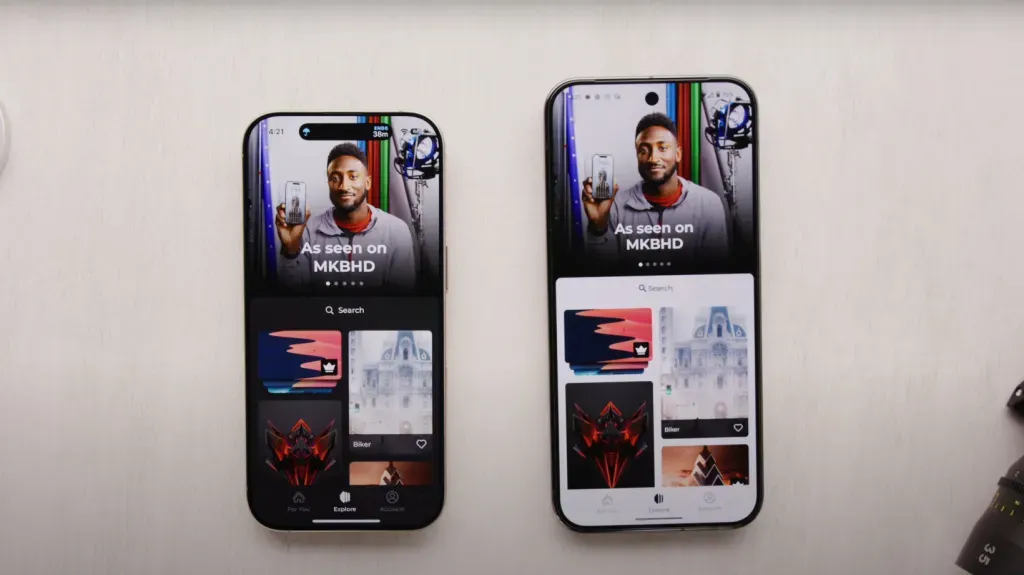
In one of the more surprising failures of 2025, Marques Brownlee (MKBHD) faced backlash after launching the Panels wallpaper app. The issue was not the design quality, but the pricing model.
Users criticized the idea of paying a recurring subscription for static wallpapers, especially when AI-generated art is widely available for free. Concerns also emerged about data tracking permissions that felt excessive for a simple image app.
Despite attempts to adjust pricing and features, the app failed to gain traction and was quietly shut down by the end of 2025. The episode proved that even trusted creators face limits when value does not match cost.
iPhone 16e
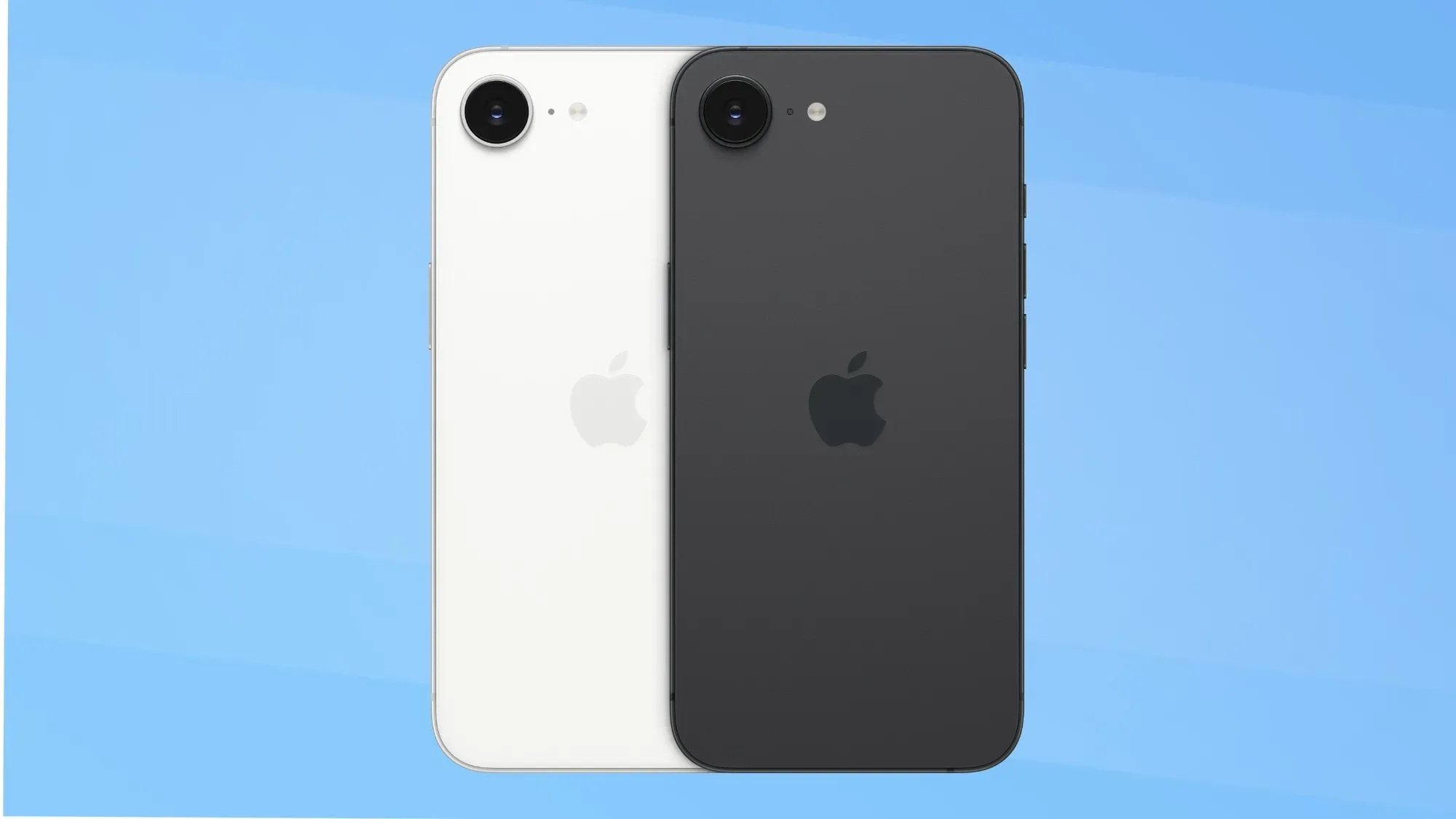
Apple is known for consistency, but the iPhone 16e became one of its rare missteps. Intended as a budget-friendly replacement for the SE lineup, the phone launched in 2025 with features that felt outdated on day one.
A 60Hz display, limited camera setup, slow charging, and a high price tag placed it in an awkward position. Competing Android phones offered better specs for half the cost, while older iPhone Pro models delivered more value at similar prices.
Consumers responded by ignoring it. Sales lagged, discounts appeared quickly, and the iPhone 16e became widely labeled as one of the worst-value smartphones of the year.
AI Drive-Thrus at Taco Bell and McDonald’s
Automated fast-food ordering was supposed to reduce wait times and labor costs. Instead, it became one of the most viral tech failures of 2025.
AI voice systems at Taco Bell and McDonald’s struggled with accents, background noise, and basic order modifications. Social media exploded with clips of customers receiving wildly incorrect orders.
The most infamous incident involved an AI mistakenly adding 18,000 cups of water to a single order. McDonald’s ended its IBM partnership early in the year, while Taco Bell scaled back deployments, quietly returning to human order-takers.
The “Friend” AI Necklace

If other failures were technical, the “Friend” AI necklace failed socially. Marketed as an emotional support companion, the $99 wearable listened constantly and sent encouraging messages to users.
Public reaction was overwhelmingly negative. Reviewers described it as invasive, dystopian, and unsettling. Privacy concerns grew as users realized they were wearing an always-on microphone in public spaces.
Rather than addressing loneliness, the device highlighted growing discomfort with surveillance-based products. It failed to gain adoption and became a cautionary tale about crossing emotional and ethical boundaries.
Conclusion
The tech failures of 2025 delivered a clear message. Artificial intelligence alone is not enough to sell a product. Consumers still value reliability, usefulness, privacy, and honest pricing.
2025 served as a necessary correction after years of hype-driven innovation. As the industry moves forward, success will depend less on bold promises and more on building technology that genuinely improves everyday life.
Frequently Asked Questions