 English
 Russian
 Español
 Français
 Deutsch
 हिन्दी
 සිංහල
සිංහල 中文
中文 日本語
日本語
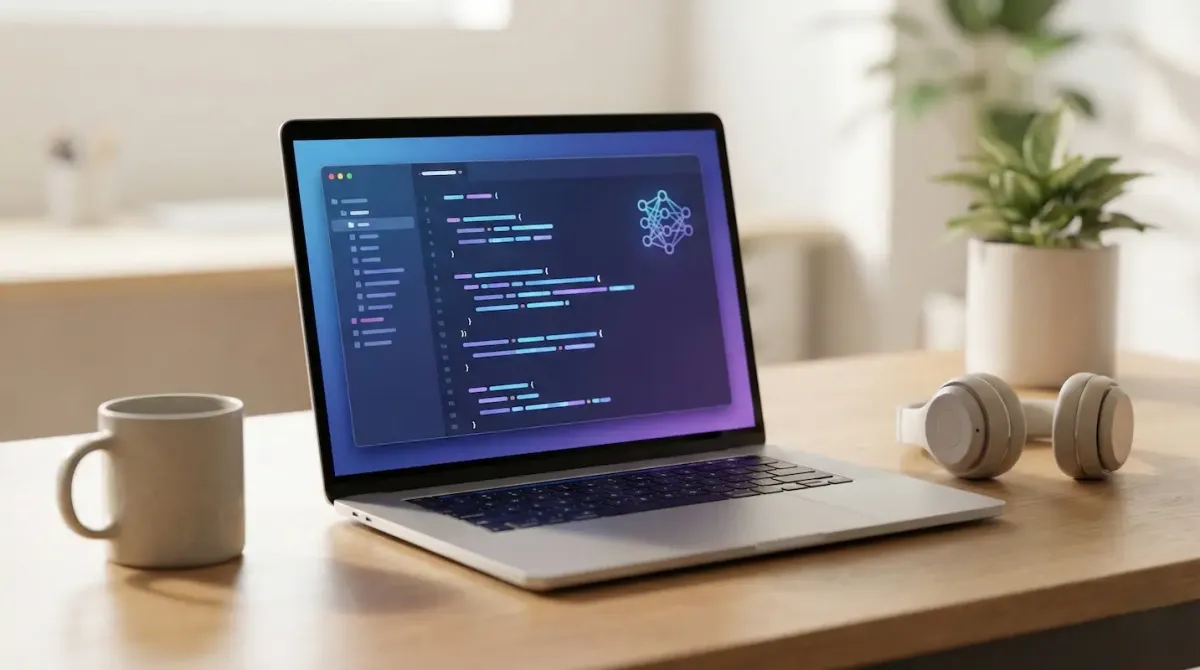
Software development is evolving rapidly, and artificial intelligence is now playing a central role in how modern applications are built. For decades, programmers manually wrote every line of code, carefully checking syntax, debugging errors, and searching through long documentation to solve problems. Today, a new workflow known as vibe coding is changing that traditional process.
Vibe coding allows developers to describe what they want to build using natural language. Instead of manually writing complex code, programmers guide artificial intelligence systems that generate the code automatically. The developer becomes more of a project manager who reviews results, improves instructions, and ensures the final product works correctly.
Because this workflow relies heavily on AI assistance, developers need tools that treat artificial intelligence as a core feature rather than a simple plugin. Modern integrated development environments (IDEs) are now being redesigned to support AI-first development. In this guide, we will explore some of the best IDEs available today for developers who want to embrace vibe coding.
Google Antigravity
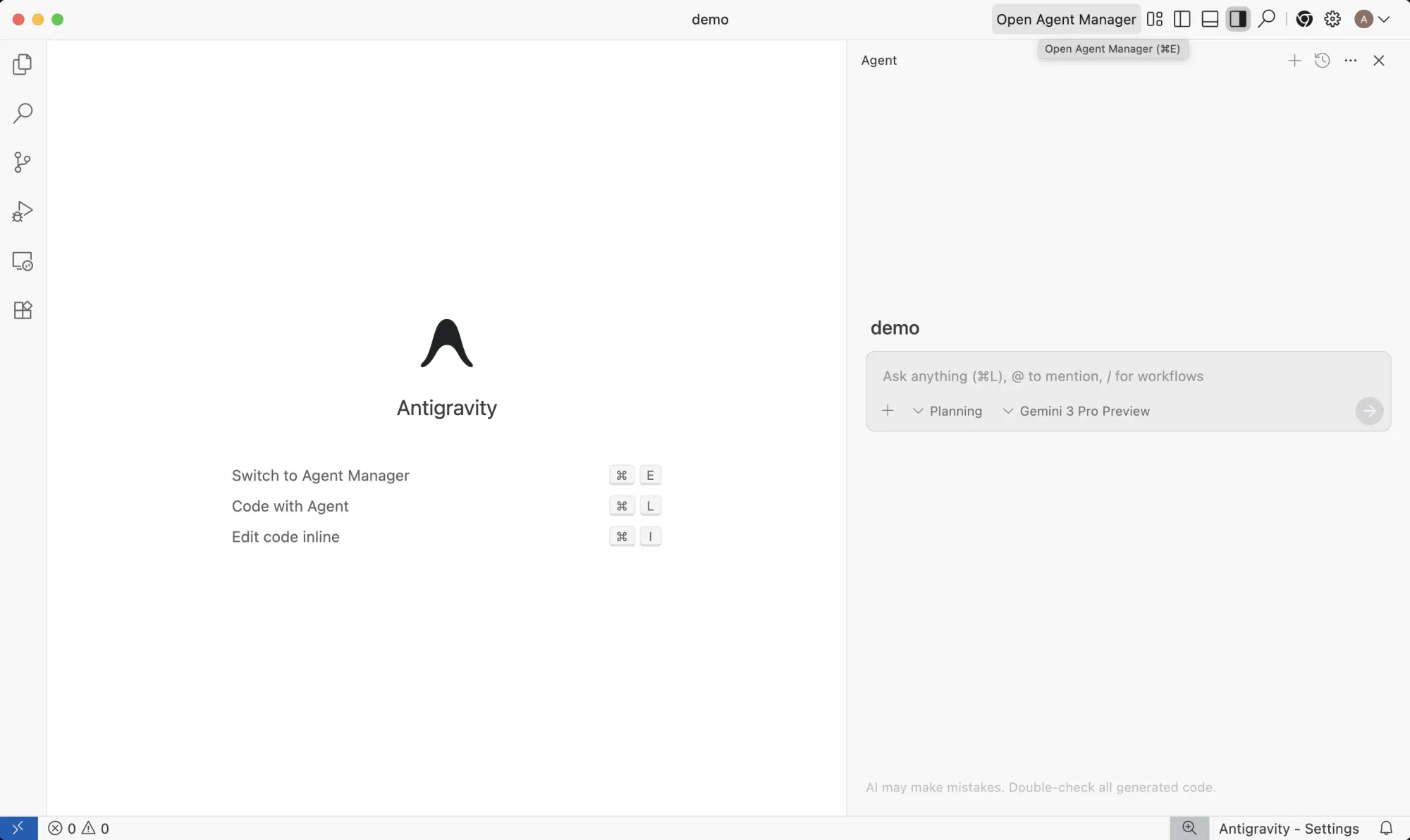
One of the newest and most innovative tools in the AI development space is Google Antigravity. Introduced in late 2025, this platform reimagines how developers interact with artificial intelligence while building software.
Although it is technically based on the popular Visual Studio Code framework, Antigravity provides a completely different development experience. Instead of a simple chat assistant panel, it introduces a powerful system called the Agent Manager.
The Agent Manager works like a mission control center for AI tasks. Developers can launch multiple autonomous AI agents that work simultaneously on different parts of a project. For example, one agent may debug a backend database problem while another designs a user interface component.
Another standout feature is the generation of Artifacts. When an AI agent completes a task, it does not simply output raw code. Instead, it produces structured results such as implementation plans, documentation, and visual demonstrations showing how the solution works in a live environment. Antigravity also supports advanced models like Gemini 3.1 Pro and Claude 4.5, making it a powerful environment for managing complex AI-assisted projects.
Cursor
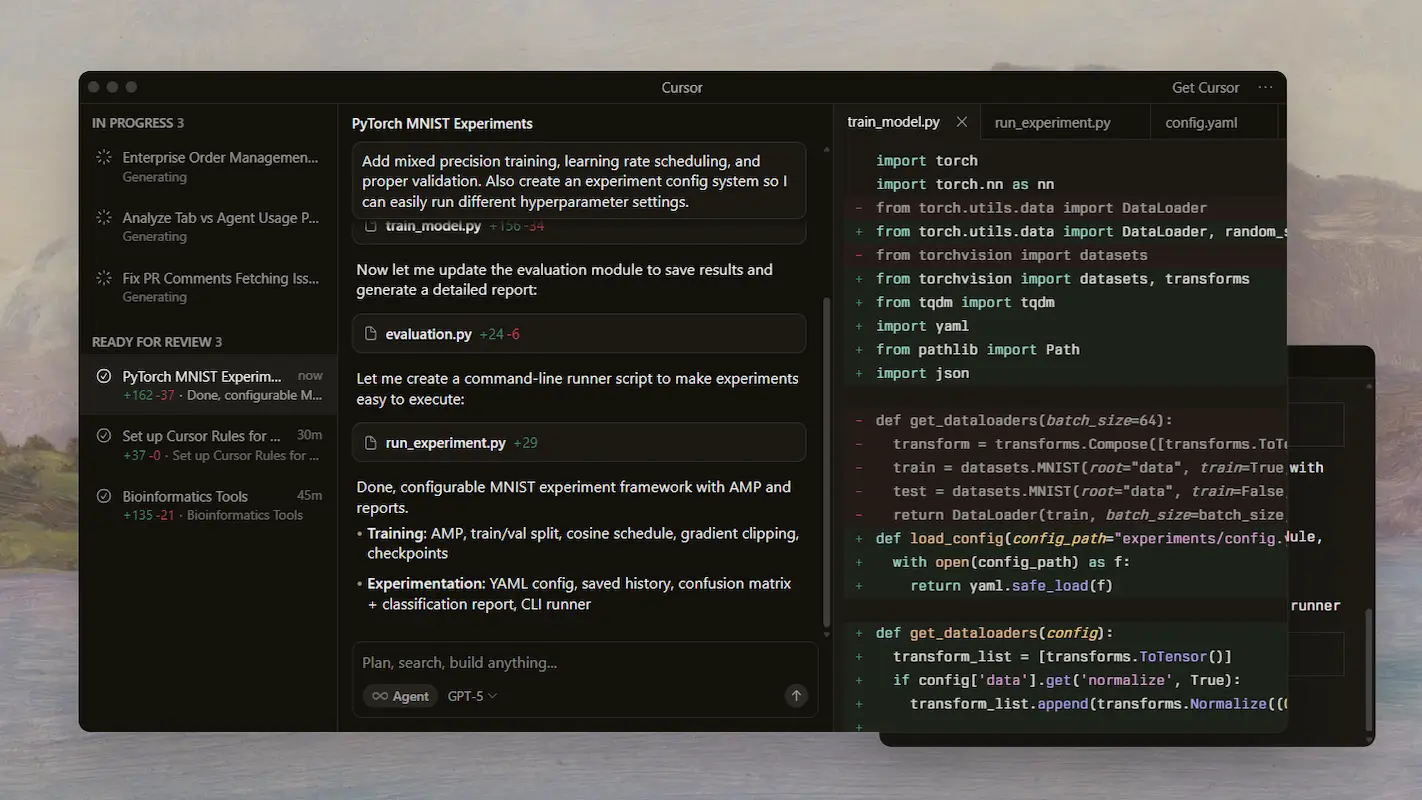
While Google Antigravity is a relatively new platform, Cursor remains one of the most widely used IDEs for vibe coding today. Many developers consider it the industry standard for AI-assisted programming.
Cursor is built directly on Visual Studio Code, which means developers can continue using familiar themes, extensions, and shortcuts. This makes it extremely easy to transition into AI-assisted workflows without learning a completely new environment.
The most powerful feature in Cursor is called Composer. With a simple command, developers can describe a new feature in plain English, and the AI will modify multiple files across the project automatically. The system understands the structure of the entire codebase and applies consistent updates wherever necessary.
For example, if a variable or function changes in one file, Cursor recognizes how that change affects other parts of the project. This contextual awareness makes it highly reliable for building large and complex applications. Because of its simplicity and power, Cursor is often the first IDE developers choose when starting with vibe coding.
Windsurf
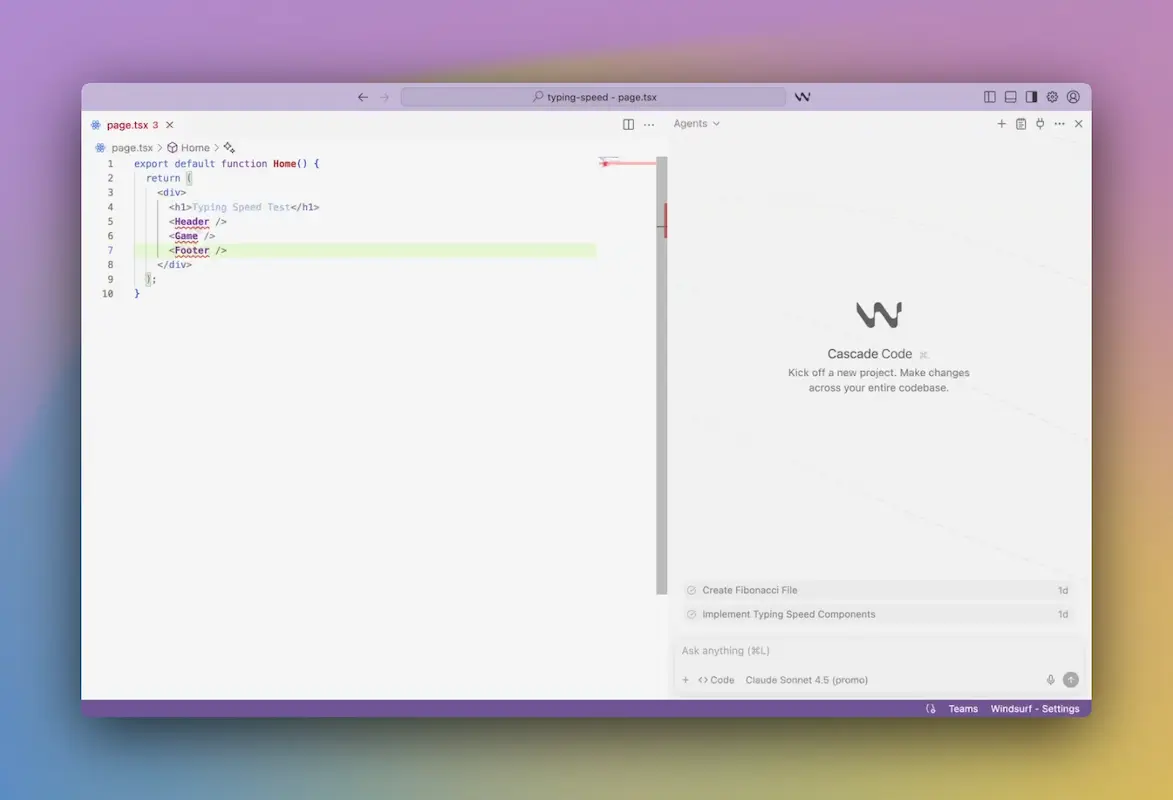
Another strong competitor in the AI coding space is Windsurf, developed by the team behind Codeium. Windsurf focuses heavily on solving one of the biggest challenges in AI-assisted development: maintaining project context.
When AI systems lose track of the project structure, they can produce incorrect or inconsistent code. Windsurf addresses this problem with a technology called Cascade.
Cascade continuously analyzes the entire project in the background, allowing the AI to maintain a deep understanding of how all components of the software connect together. This makes it especially effective when working with large codebases or older legacy systems that require refactoring.
Developers often praise Windsurf for its ability to read messy existing code and transform it into cleaner, modern structures without breaking the application. Another advantage is its generous free tier, which allows developers to experiment with advanced AI capabilities before committing to a paid plan.
Zed
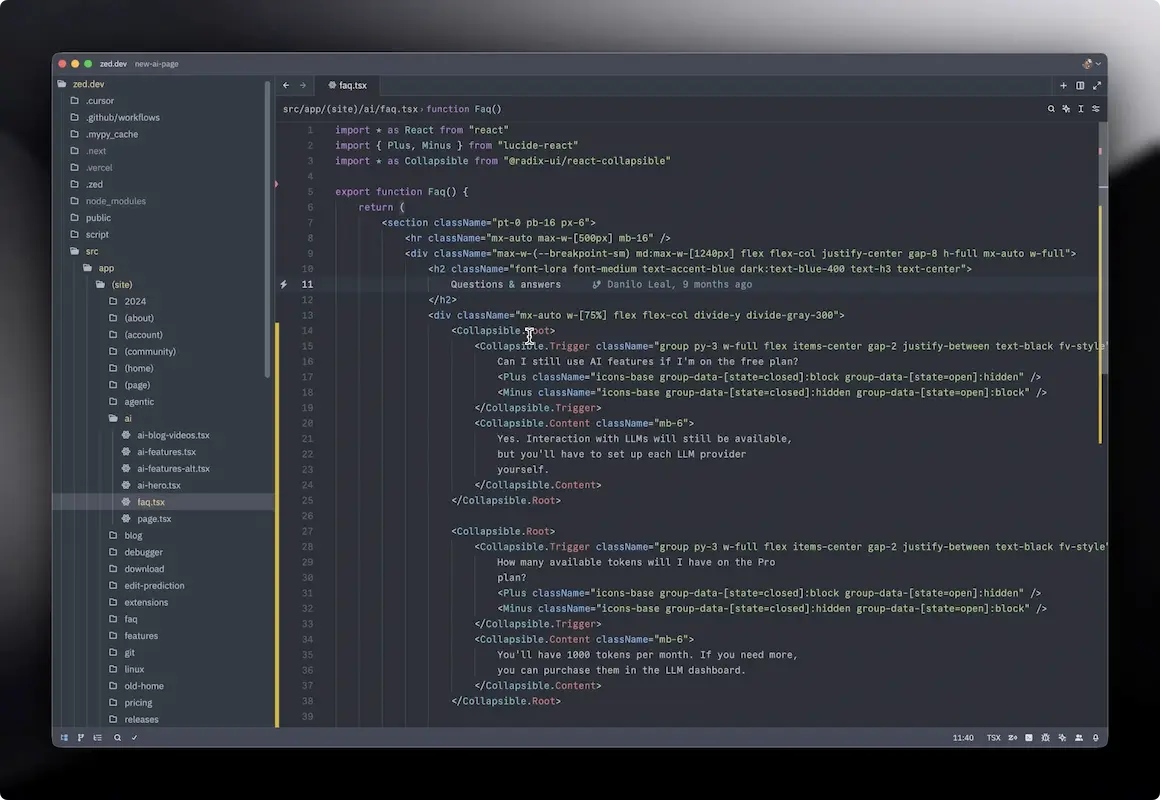
For developers who care about performance and speed, Zed offers a unique approach to AI-powered development. Unlike many modern editors built using web technologies, Zed is written in the Rust programming language.
This design makes Zed extremely fast and lightweight. It launches almost instantly, searches large codebases quickly, and runs smoothly even on less powerful machines.
Zed is also designed as an AI-native editor. It includes an integrated assistant panel that allows developers to generate code, refactor existing functions, and ask programming questions directly within the editor.
One major advantage of Zed is its flexibility. Developers are not restricted to a single AI provider. Instead, they can connect multiple models such as OpenAI systems, Claude models, or even local language models running through tools like Ollama. This makes Zed an excellent choice for developers who prefer privacy-focused workflows where sensitive code stays on their own machines.
Browser Based Alternatives
In addition to traditional IDEs, a growing number of browser-based development platforms are making vibe coding accessible to a wider audience. Tools like Replit, Lovable, and Bolt.new allow developers to build applications directly inside a web browser.
These platforms simplify the development process even further. Instead of configuring local environments and installing complex tools, users simply open a website and describe the application they want to create.
The AI handles much of the technical setup automatically, including generating code, configuring servers, and building the interface. Lovable is known for quickly generating visually appealing website designs, while Bolt.new excels at rapid application prototyping.
For beginners who have never written code before, these browser-based tools provide one of the easiest ways to explore AI-assisted software development.
Conclusion
Vibe coding represents a major shift in how modern software is built. Instead of focusing on writing every line of syntax manually, developers can concentrate on design, architecture, and creative problem solving while artificial intelligence handles much of the coding work.
Choosing the right IDE depends on your goals and experience level. Google Antigravity is ideal for managing multiple autonomous AI agents, Cursor offers a reliable and familiar development experience, Windsurf excels at handling large projects, and Zed delivers exceptional performance with flexible AI integrations.
As artificial intelligence continues to evolve, these tools will play an increasingly important role in shaping the future of software development. Developers who adopt AI-powered IDEs today will be well prepared for the next generation of programming workflows.
Source - ibm.com , wikipedia.org , cursor.com , windsurf.ai , zed.dev
Frequently Asked Questions