

 English
 Russian
 Español
 Français
 Deutsch
 हिन्दी
 සිංහල
සිංහල 中文
中文 日本語
日本語
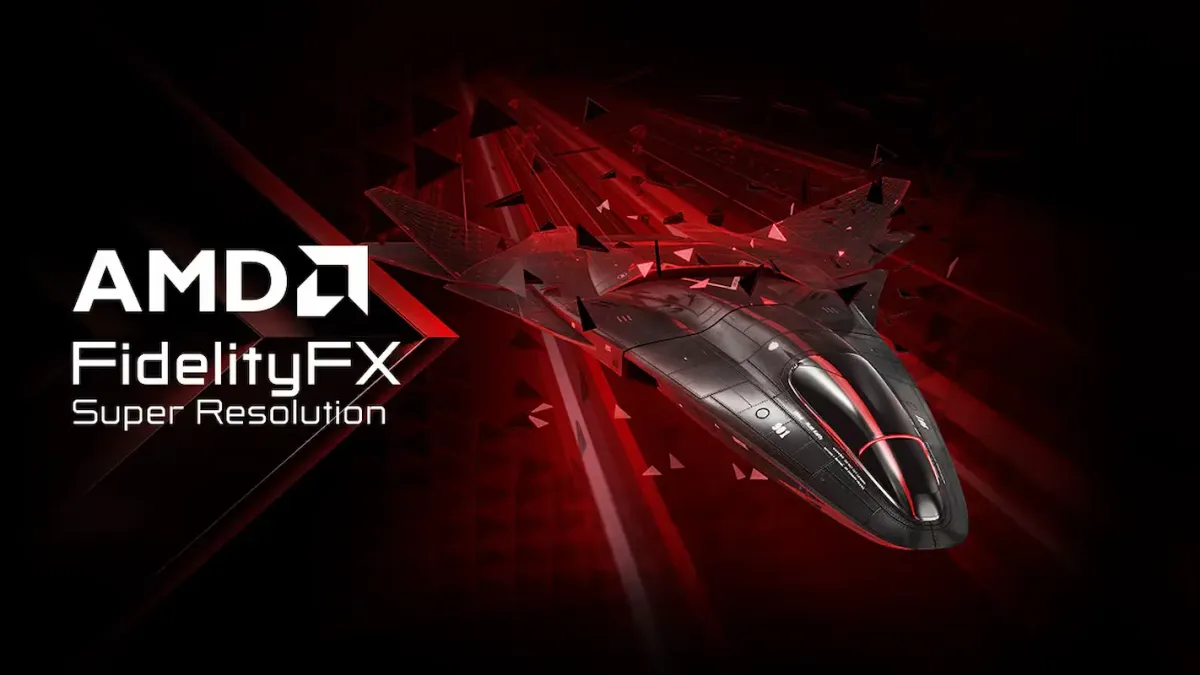
For a long time, the biggest technical gap between AMD and NVIDIA upscaling technologies came down to one word: AI. While NVIDIA leaned heavily on machine learning to enhance image quality, AMD chose a more traditional algorithm-based approach that worked across a wide range of graphics cards.
 Neovise Staff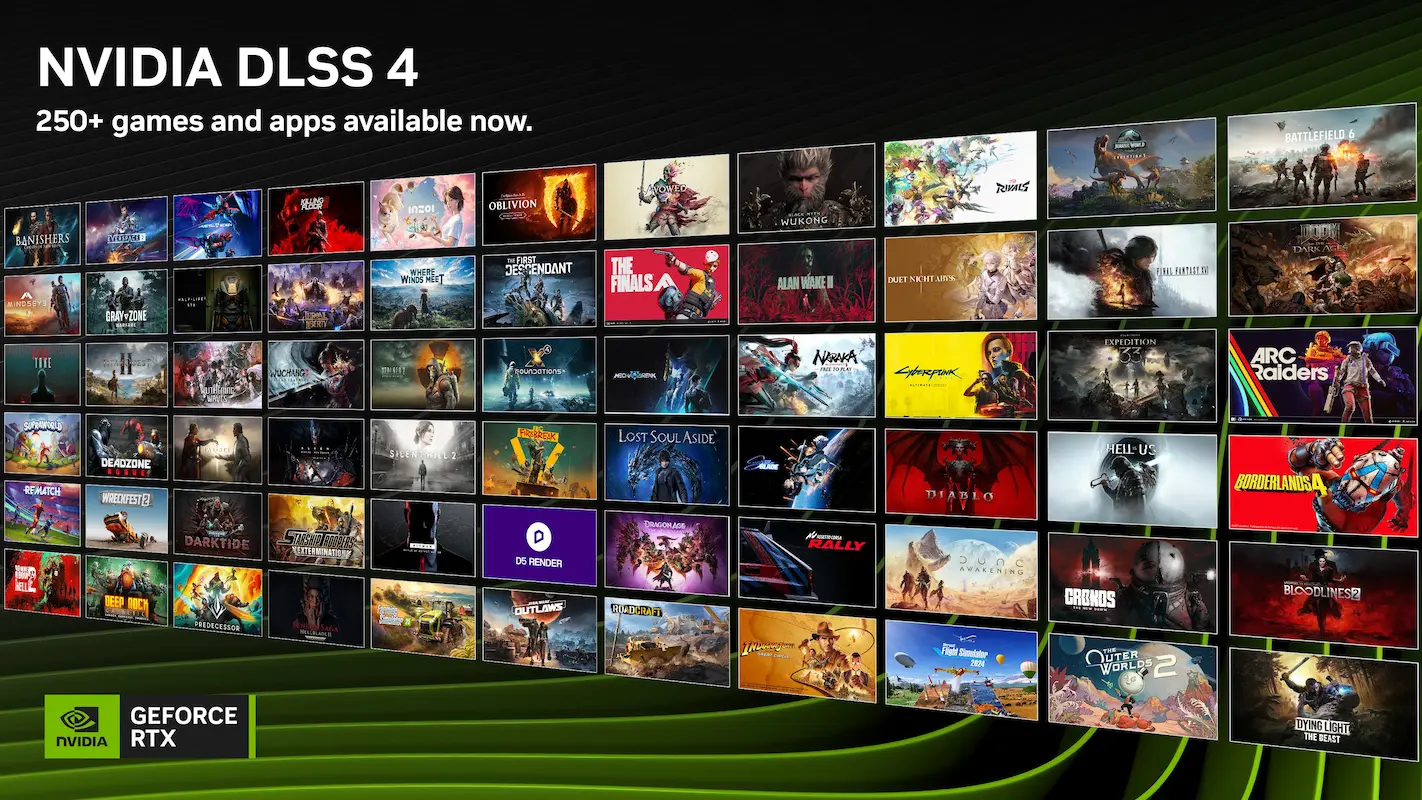
That strategy officially changed with FSR 4 (FidelityFX Super Resolution "Redstone"). With the launch of FSR 4 and its follow-up Project Redstone update in late 2025, AMD has fully embraced artificial intelligence. This marks the most important evolution in FidelityFX Super Resolution since the technology was first introduced.
In this guide, we break down what makes FSR 4 different, how its new ray tracing improvements work, and why it changes the GPU upgrade conversation for 2026.
The Major Change: From Algorithms to AI
The defining upgrade in FSR 4 is the shift away from classic mathematical upscaling techniques. Earlier FSR versions relied on analytical filters to stretch images to higher resolutions. While effective, they sometimes produced unstable visuals.
FSR 4 now uses a neural network-based model trained to rebuild missing image detail in a much smarter way.
- Why this matters: Older FSR versions struggled with flickering edges, thin wires, and distant textures. The AI model in FSR 4 understands the full scene context, producing a cleaner and more stable image that closely matches native resolution.
- The downside: Running AI workloads requires dedicated hardware. As a result, FSR 4 depends on the AI accelerators built into AMD’s RDNA 4 architecture, found in the Radeon RX 9000 series.
This change alone brings AMD’s upscaling quality much closer to NVIDIA’s DLSS output.
Project Redstone and Ray Regeneration
In December 2025, AMD expanded FSR 4 with the Project Redstone update. The headline feature of this update is Ray Regeneration, AMD’s answer to ray tracing noise and instability.
Ray-traced lighting often looks grainy because GPUs calculate only a limited number of light rays per frame. Traditional denoisers attempt to blur this noise, which can soften reflections and shadows.
FSR 4 Ray Regeneration takes a different approach.
- How it works: Instead of smoothing noise, the AI reconstructs missing lighting data using learned patterns.
- The result: Sharper reflections, more stable shadows, and lighting that reacts faster to camera movement, especially in demanding titles like Cyberpunk 2077.
This improvement significantly boosts ray tracing quality without the heavy performance penalties seen in earlier techniques.
AI-Enhanced Frame Generation
Frame generation first appeared in FSR 3 under the name Fluid Motion Frames. While effective, it sometimes struggled with complex motion.
FSR 4 upgrades this system by adding machine learning to the interpolation process.
- Smarter motion prediction: The AI can better track fast-moving objects such as vehicles, character animations, and camera pans.
- High refresh rate focus: The technology is tuned for modern 240Hz and higher displays, allowing 60 FPS gameplay to scale smoothly beyond 120 FPS with fewer visual artifacts.
This makes FSR 4 far more competitive in high-refresh gaming scenarios.
The Controversy: Limited Hardware Support
FSR 4 also brings a major shift in AMD’s philosophy, and not everyone is happy about it.
- Official compatibility: FSR 4 currently runs only on Radeon RX 9000 (RDNA 4) GPUs due to their AI acceleration hardware.
- Community discoveries: In mid-2025, leaked development files suggested a fallback mode capable of running on older GPUs. Enthusiasts managed to enable limited functionality on RX 7000 cards, but this is not officially supported.
- Older GPUs: Users with RX 6000 or RX 7000 cards, as well as NVIDIA GTX users, will continue using FSR 3.1, which remains solid but lacks AI-driven reconstruction.
This hardware lock removes one of AMD’s long-standing advantages: broad compatibility.
AMD FSR 4 vs NVIDIA DLSS 4
| Feature | FSR 4 | DLSS 4 |
|---|---|---|
| Upscaling Technology | AI Neural Network | AI Transformer Model |
| Ray Tracing Enhancement | Ray Regeneration | Ray Reconstruction |
| Frame Generation | AI-Assisted | Multi-Frame Generation |
| GPU Support | RX 9000 Series | RTX 40 & 50 Series |
| Open Source | Planned, not active | Closed |
Conclusion
FSR 4 represents AMD’s biggest leap forward in gaming technology in years. By fully embracing AI, AMD has closed much of the image quality gap that once separated it from NVIDIA. Visual stability, ray tracing quality, and frame generation are all significantly improved.
The trade-off is accessibility. By limiting FSR 4 to new hardware, AMD has sacrificed universal support in favor of performance and quality.
For gamers planning a GPU upgrade in 2026, RDNA 4 cards are now far more compelling than before. FSR 4 is not just an update—it is a reset of AMD’s graphics strategy.
Frequently Asked Questions