 English
 Russian
 Español
 Français
 Deutsch
 हिन्दी
 සිංහල
සිංහල 中文
中文 日本語
日本語
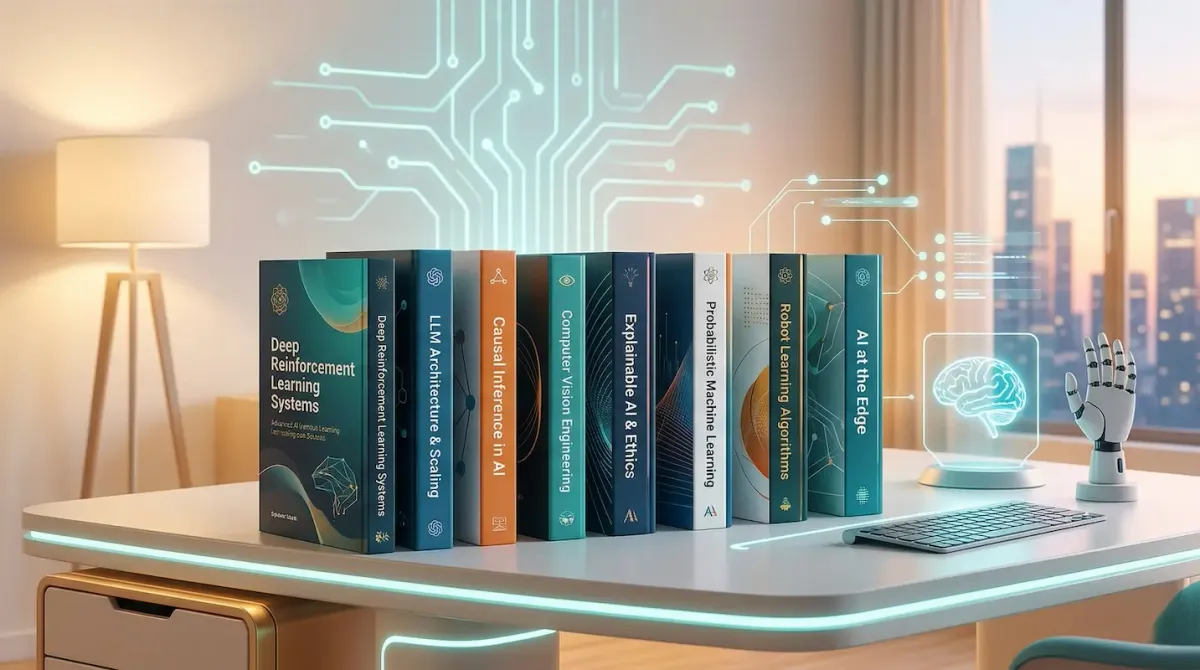
Artificial intelligence is one of the fastest-growing fields in technology. New tools, frameworks, and AI models are released almost every week. While short tutorials and blog posts are helpful, they often skip the deeper concepts that truly matter.
If you want to become a skilled AI engineer, you need a strong foundation. The best way to build that foundation is by learning directly from experts through well-written books. These books not only teach you how AI works but also help you understand the logic, mathematics, and real-world applications behind it.
In this guide, you will discover eight essential books that can help you grow from a beginner into a professional AI engineer.
Artificial Intelligence: A Modern Approach
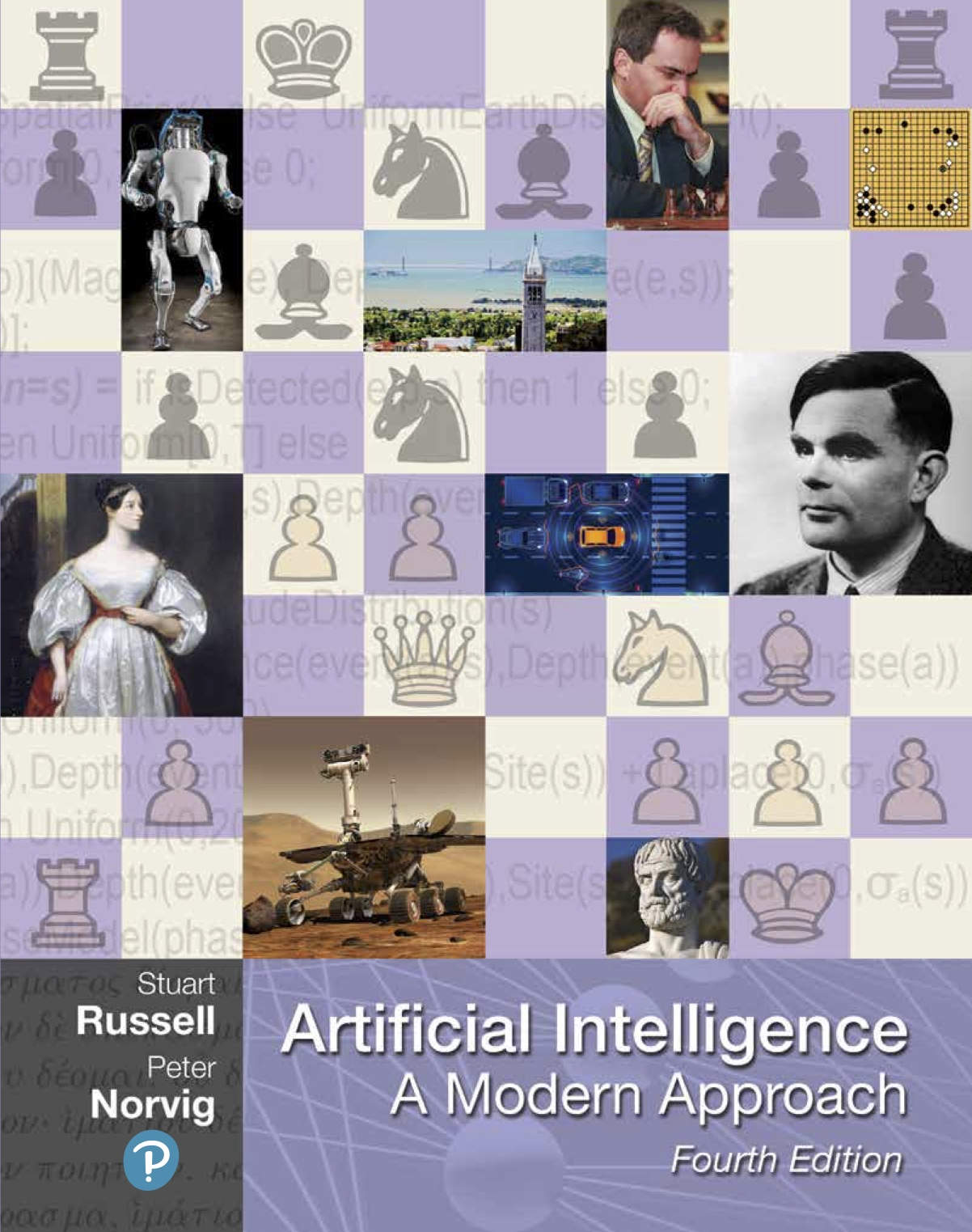
This book by Stuart Russell and Peter Norvig is considered one of the most important textbooks in artificial intelligence.
It is widely used in universities around the world and covers the full scope of AI, not just modern techniques.
Instead of focusing only on neural networks, it explains:
- search algorithms
- logical reasoning
- decision-making systems
Even though some concepts may feel theoretical, they form the core principles behind modern AI systems. If you want a deep understanding of how machines think and solve problems, this is the best place to start.
Deep Learning
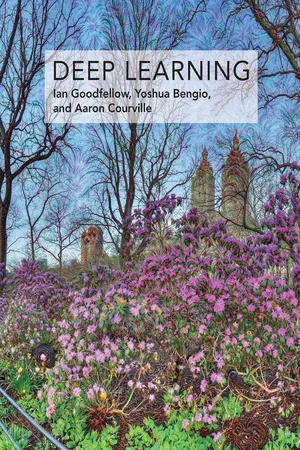
Written by Ian Goodfellow, Yoshua Bengio, and Aaron Courville, this book is the ultimate guide to understanding neural networks.
It focuses heavily on:
- linear algebra
- probability
- advanced mathematics
This is not a beginner-friendly book, but it is extremely valuable if you want to understand how AI models actually work instead of just using them.
Once you master the concepts in this book, you will be able to understand and design your own deep learning systems with confidence.
Hands-On Machine Learning with Scikit-Learn, Keras, and TensorFlow
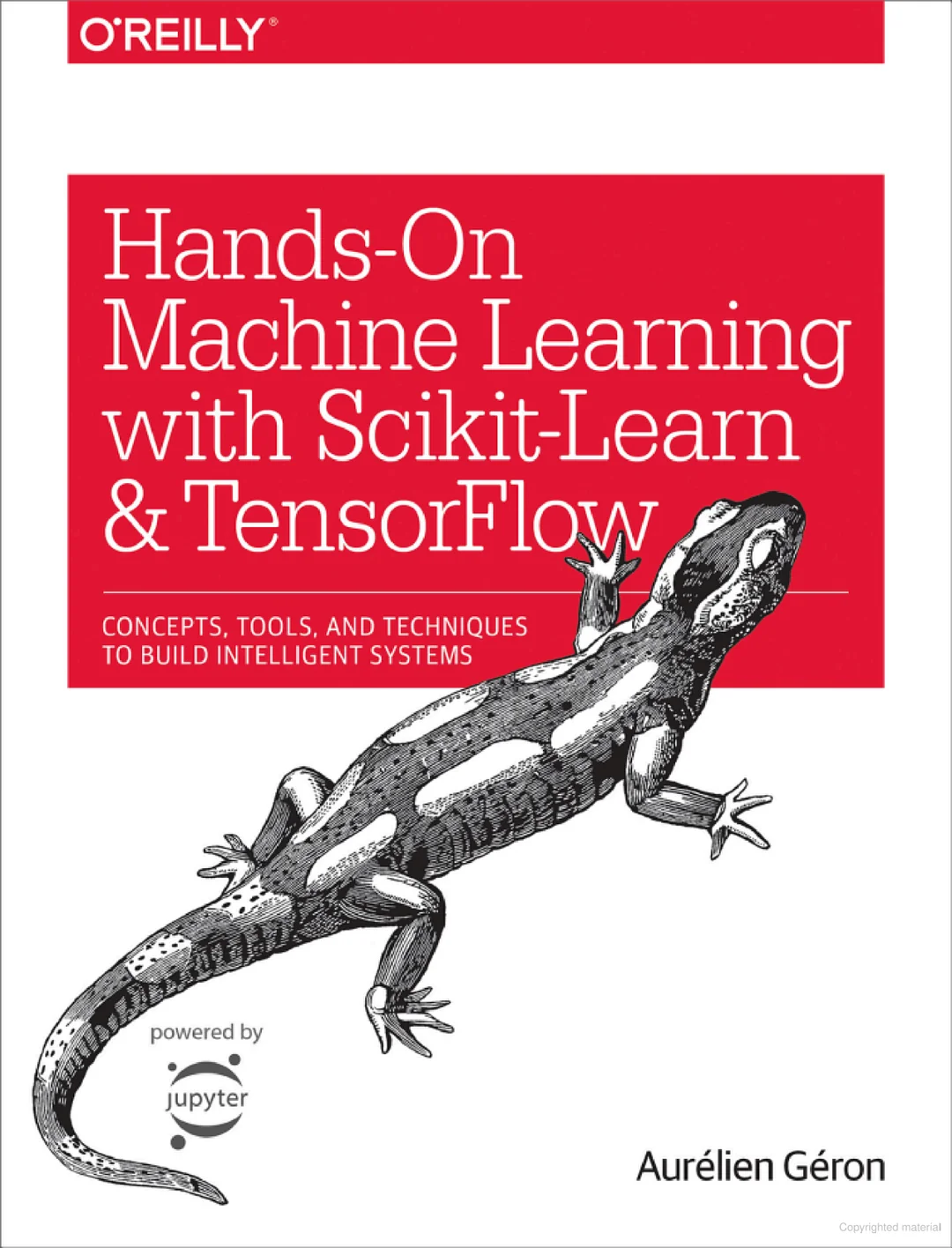
If you prefer learning by doing, this book by Aurélien Géron is perfect.
It teaches you how to build real AI projects using Python. You will learn:
- basic machine learning models
- data processing techniques
- deep learning with TensorFlow
The book starts with simple examples and gradually moves to advanced topics. It is ideal for developers who want practical experience alongside theory.
Designing Machine Learning Systems
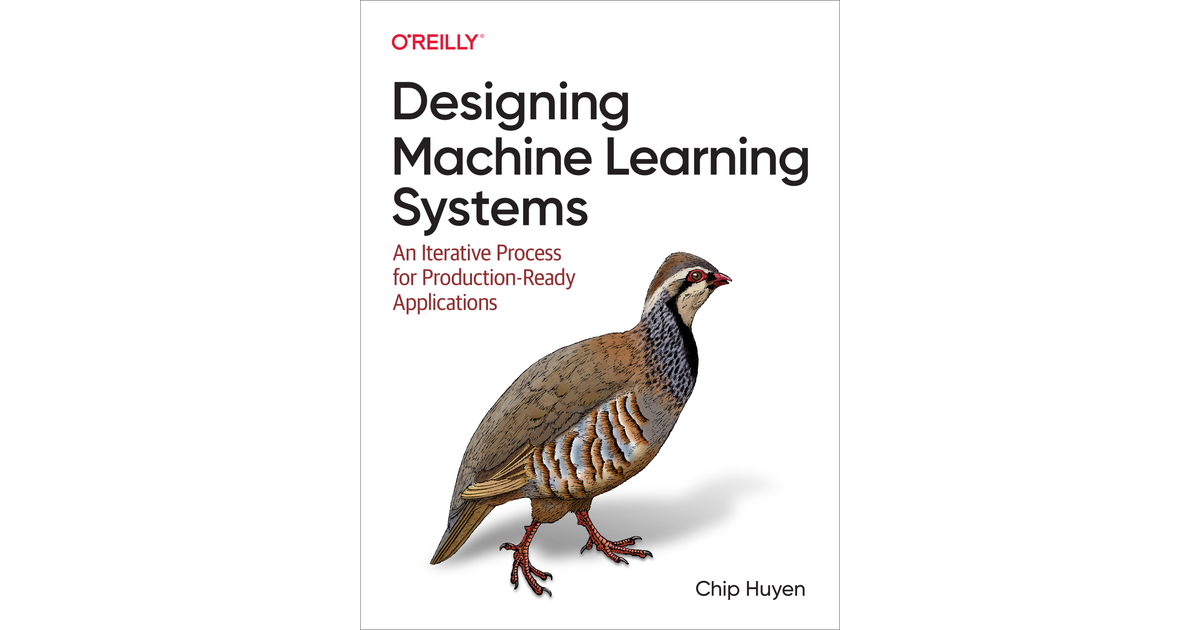
Written by Chip Huyen, this book focuses on real-world AI system design.
Building a model is only the beginning. This book teaches you how to:
- scale AI systems
- manage large datasets
- monitor model performance
- handle real-world deployment challenges
If you want to work in a large tech company or build production-ready AI systems, this book is essential.
The Hundred-Page Machine Learning Book
This book by Andriy Burkov is a quick but powerful summary of machine learning.
Despite its short length, it covers:
- key algorithms
- core concepts
- practical insights
It is perfect for:
- quick revisions
- interview preparation
- refreshing your knowledge
Think of it as a compact guide you can revisit anytime.
Generative Deep Learning
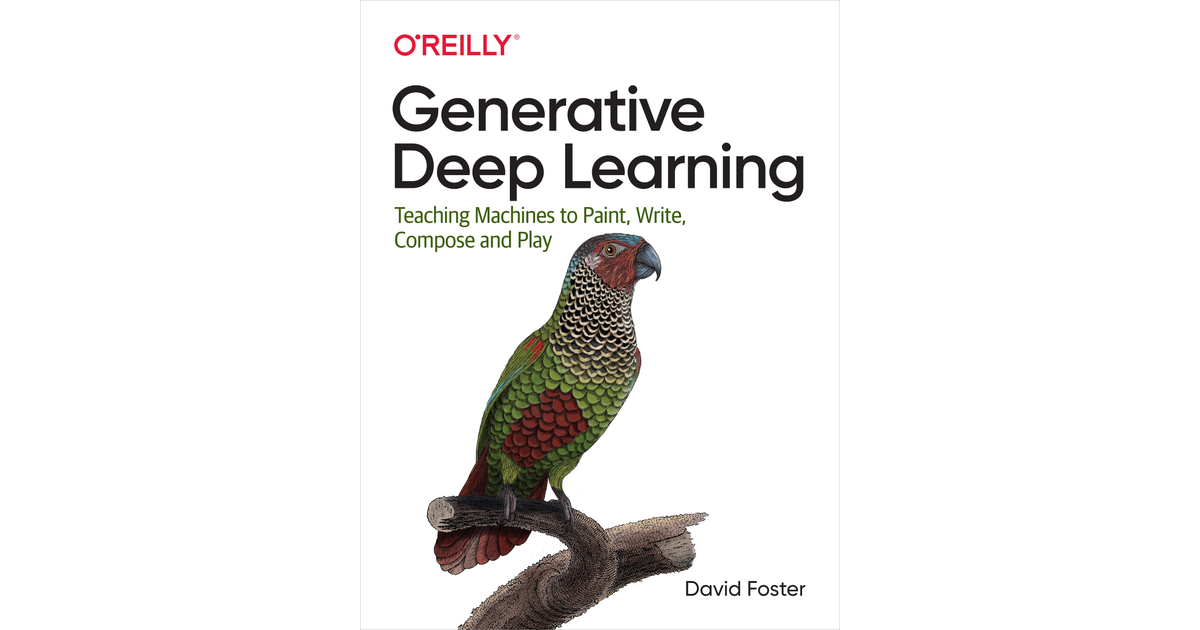
Written by David Foster, this book focuses on modern AI systems that generate content.
It explains:
- transformers (used in large language models)
- diffusion models (used in image generation)
- creative AI systems
You will also find practical coding examples to build your own AI applications.
If you are interested in tools like AI chatbots or image generators, this book is highly valuable.
Machine Learning Engineering
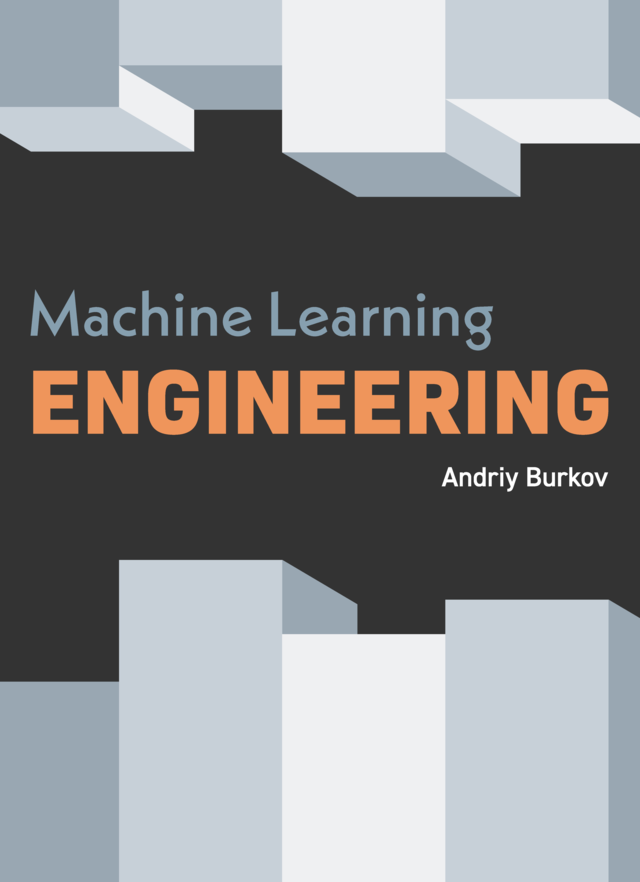
Also written by Andriy Burkov, this book explains the real workflow of an AI engineer.
In real-world projects, you will spend time on:
- data collection and cleaning
- model testing
- debugging and maintenance
This book provides a step-by-step guide to the entire lifecycle of machine learning systems. It helps you avoid common mistakes when working on real products.
Approaching (Almost) Any Machine Learning Problem
Abhishek Thakur shares practical strategies used in real competitions and projects.
Instead of focusing on theory, this book teaches:
- problem-solving techniques
- data handling strategies
- efficient coding practices
It is like learning directly from an experienced engineer who guides you step by step through solving complex problems.
Conclusion
Becoming a successful AI engineer requires both strong theoretical knowledge and practical experience. These eight books cover everything from basic concepts to real-world system design.
By studying them, you will:
- understand how AI models work
- learn how to build real applications
- gain insights into industry practices
Reading is just the first step. To truly master AI, you must apply what you learn by building your own projects and experimenting with new ideas.
Sources - oreilly.com, towardsdatascience.com
Frequently Asked Questions